

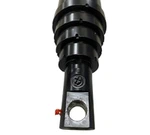

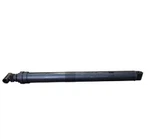

Hydraulic Cylinder Pump
Jinan Huachen Industrial Co., Ltd. was established in 1998. The company adheres to a diversified business philosophy and follows international trade rules. It is mainly engaged in import and export business and agency business. At present, the pneumatic hydraulic products, large hydraulic machinery, food processing and packaging machinery, auto parts, hardware accessories, etc. are sold to more than 20 countries and regions including the United States, Australia, South America, the Middle East, and South Asia.
Why Choose Us
High quality
Our products has passed 180,000 times of stress tests,we can offer 12 months warranty and 10 years service life.
Rich experience
We have more than 20 years experience,can offer customizable & speical option available.
Customized services
We adopt european technology and american standards to provide customers with a full set of customized services from design to delivery.
Technical support
We currently have a r&d center with 16 technical engineers in r&d teams,there are 20 hydraulic engineers in our company.


A hydraulic pump is a mechanical source of power that converts mechanical power into hydraulic energy (hydrostatic energy i.e. flow, pressure). Hydraulic pumps are used in hydraulic drive systems and can be hydrostatic or hydrodynamic. They generate flow with enough power to overcome pressure induced by a load at the pump outlet. When a hydraulic pump operates, it creates a vacuum at the pump inlet, which forces liquid from the reservoir into the inlet line to the pump and by mechanical action delivers this liquid to the pump outlet and forces it into the hydraulic system. Hydrostatic pumps are positive displacement pumps while hydrodynamic pumps can be fixed displacement pumps, in which the displacement (flow through the pump per rotation of the pump) cannot be adjusted, or variable displacement pumps, which have a more complicated construction that allows the displacement to be adjusted. Hydrodynamic pumps are more frequent in day-to-day life. Hydrostatic pumps of various types all work on the principle of Pascal's law.
Benefits of Hydraulic Cylinder Pump
Easier control
Hydraulic pumps have settings that allow them to be operated smoothly. The speed and flow control are more controllable than other systems. The operator does not have to worry about runaway pumps that can cause internal damage to the system.
Reduced maintenance costs
One of the most significant benefits of hydraulic pumps is their ability to self-lubricate. Other types of pumps that rely on compressed air are prone to rust, scaling, and moisture buildup. Hydraulic pumps are also not going to freeze. Rapidly cooling air from compressed air systems can cause it to ice. Fewer breakdowns will make projects less expensive and timely to complete.
Superior efficiency
Hydraulic pumps are noted for their high efficiency because they can transfer mechanical energy into hydraulic pressure while using very little electricity. In addition, unlike other systems, hydraulic pumps employ a closed system to maintain the fluid in a loop, preventing energy loss due to fluid leakage.
High power density
Hydraulic pumps can provide substantial power in a compact space due to their high power density. Additionally, high-pressure fluids used by hydraulic pumps deliver more energy per unit volume than other fluids, making them ideal for applications with limited space.
Versatility
Hydraulic pumps are highly versatile due to their ability to generate high levels of force and pressure. This makes them ideal for applications that require high power output. Furthermore, they can power everything from simple hand tools to heavy machinery and construction equipment.
Reliability
Fewer moving parts in hydraulic pumps mean fewer parts that can malfunction, making them more durable and reliable than other pump types. Moreover, the closed-loop system employed by hydraulic pumps reduces components’ wear and tear, extending the machine’s lifespan.
Precise control
Hydraulic pumps can provide significant benefits to machine tools and robotic systems. They offer precise control over the flow and pressure of the hydraulic fluid. This control also allows for greater efficiency and energy savings since the system can be tailored to meet the application’s specific needs.
Types of Hydraulic Cylinder Pump


Gear pumps
Gear pumps are simple and economical pumps with low to high volumetric efficiency yet. They are common in truck-mounted hydraulic systems. Hydraulic gear pumps operate by trapping oil in the spaces between the teeth of the pump’s two gears and the body of the pump. As the gears rotate, they transport the oil around the circumference of the gear cavity and by centrifugal force move it out through the outlet port.
Piston pumps
Piston pumps, including the axial piston pump, utilize a cylinder block with pistons that move in and out to extract oil from the supply port and then pressurize oil flow into it through the outlet. Among various types, axial piston pumps are available in both radial and axial configurations and can be either fixed displacement or variable displacement.
Vane pumps
Vane pumps use vanes mounted to a rotor to generate hydraulic pressure. They were once popular in utility vehicles but have become less common due to the increased prevalence and accessibility of gear pumps. Vane pumps provide enhanced volumetric power efficiency and reduced noise compared to gear pumps.
Hydraulic hand pumps
Hydraulic Hand Pumps are manually operated pumps used for various applications, including hydraulic tools and presses. They draw oil into the cylinder when the hydraulic hand pump lever is pressed downwards, creating suction and pulling oil up through the pumping mechanism.
Air hydraulic pumps
Air hydraulic pumps use compressed air to generate energy from hydraulic liquids. They are often used for lifting heavy loads and transporting materials. Air hydraulic pumps engage a piston when air pressure is applied, compressing the hydraulic cylinder and creating a pumping action. The primary components of air hydraulic pumps consist of a reservoir, a pump housing a hydraulic cylinder, a piston system, two valves, and a cylinder.
Electric hydraulic pumps
Electric hydraulic pumps use electricity to transfer hydraulic liquid to an actuator, which is essential in various machinery. They use an electric motor to drive a hydraulic pump, transferring fluid pressure to the cylinders, actuators, and hydraulic motors. This is how a hydraulic pump operates, making it a crucial component in the system. Electric pumps are utilized in a range of applications, including automotive, industrial, and agricultural machinery, and are also employed in construction, mining, and other heavy-duty operations.
Specialized hydraulic pumps
Specialized hydraulic pumps are designed for specific applications, such as dump and clutch pumps. Dump pumps are commonly used in waste equipment, while clutch pumps are employed when a transmission power take-off is unavailable or not readily accessible. Clutch pumps, however, have limitations regarding pump output flows under heavy loads exceeding 15 GPM, as the engine drive belt may slip under heavier loads.
Application of Hydraulic Cylinder Pump
Construction industry: Hydraulic pumps are extensively in use for heavy construction equipment such as excavators, loaders, bulldozers, and cranes. They provide the power needed to perform tasks like lifting, digging, and pushing.
Automotive industry: Hydraulic pumps are available in vehicle braking systems to provide the necessary pressure to activate the brake calipers and stop the vehicle. They are also in power steering systems to assist the driver in turning the wheels.
Manufacturing industry: Hydraulic pumps employed in machinery for tasks like material handling, metal shaping, and assembly line operations. They provide the force needed for pressing, bending, and lifting heavy loads.
Agriculture industry: Hydraulic pumps in agricultural machinery uses like tractors and combines to power various functions such as lifting and lowering implements, operating hydraulic cylinders, and powering hydraulic motors for tasks like harvesting and tilling.
Components of Hydraulic Cylinder Pump
Pump housing/casing: This is the exterior part of the hydraulic pump to protect the inner components. Smaller pumps use aluminum as the construction material and others use cast iron.
Impeller blades: The impeller blades will rotate inside the pump housing. The rotation of impeller blades will rotate the surrounding fluids and thus the fluid flow at a higher potential. Also, they play an important role in lubricating and cooling the system.
Pump shaft: The pump shaft is used to mount the impeller. Steel or stainless steel is used for constructing the shaft and the size will depend on the impeller.
Bearing assembly: Assistance for continuous impeller rotation is the function of pump bearings. Most of the centrifugal pump uses standard ball-type anti-friction bearings.
Sealings: Most of the pumps fail due to the damage of bearing assemblies. Seals will eliminate the risk of failure to a greater extent by protecting the bearing assemblies from contaminants and coolants.
Preparation
Before starting the installation process, ensure that you have the necessary tools and safety equipment, such as safety glasses, gloves, and appropriate wrenches. Read the pump manufacturer's manual carefully, as specific installation procedures may vary depending on the pump model and application.
Inspect the pump and components
Begin by inspecting the hydraulic pump and its components for any visible damage or defects. Verify that you have received the correct pump model and that all necessary parts are included.
Prepare the mounting surface
Ensure that the mounting surface is clean and free of debris, oil, or dirt. The surface should be flat and sturdy to provide proper support for the pump and minimize vibrations.
Align the pump and drive
Proper alignment between the pump and the drive (such as an electric motor or internal combustion engine) is crucial for preventing premature wear and tear on the components. Follow the manufacturer's recommendations for aligning the pump and drive, using appropriate alignment tools such as straight edges, feeler gauges, or laser alignment tools.
Secure the pump to the mounting surface
Mount the hydraulic pump on the prepared surface, following the manufacturer's guidelines for proper torque specifications and fastener types. Ensure that the pump is securely fastened to prevent vibrations and movement during operation.
Connect the hydraulic lines
Connect the hydraulic lines to the pump, ensuring that the inlet and outlet ports are correctly identified. Use appropriate fittings and hoses rated for the system's operating pressure. Tighten all connections securely to prevent leaks but avoid overtightening, as this may damage the fittings or pump housing.
Prime the pump (if required)
Some hydraulic pumps require priming before operation, particularly those with a flooded suction configuration. Consult the manufacturer's manual for specific priming instructions. Typically, this involves filling the pump with hydraulic fluid through the inlet port until all air is expelled from the pump and hydraulic lines.
Fill the hydraulic reservoir
Fill the hydraulic reservoir with the appropriate hydraulic fluid, following the manufacturer's recommendations for fluid type and viscosity. Ensure that the fluid level is within the specified range to prevent cavitation or other performance issues.
Check for leaks and proper function
Before starting the pump, double-check all connections for tightness and inspect the system for any potential leaks. Start the pump and monitor its operation closely, checking for any abnormal noises or vibrations. Observe the system pressure and flow to ensure that the pump is functioning correctly.
Perform regular maintenance
To keep your hydraulic pump running efficiently and extend its service life, perform regular maintenance according to the manufacturer's guidelines. This may include periodic inspections, fluid changes, and filter replacements.
How to Maintain Hydraulic Cylinder Pump
First and foremost, have in place an efficient maintenance schedule for your hydraulic pump. Regular maintenance allows you to identify any issues before they occur and take action. Do not wait until the pump fails for you to give it proper attention. Avoid costly repairs by routinely inspecting the machine and fixing any issue that you spot.
Keep tabs on the number of hours the pump has been operational to know when to check the fluid level in the reservoir. Without the proper fluid levels, the pump does not build enough pressure to get the job done. For example, with low oil levels, the system draws in air and causes pump cavitation and reduced system pressure. Ensure that you stick to the fluid change schedule that pump manufacturers provide.
Also, ensure that you use the correct type of hydraulic fluid for your pump. You want to use the type of oil that improves the pump's efficiency.
Also, consider the cleanliness of the oil, as it plays a pivotal role in extending the life of the pump and other vital components such as gaskets and seals.
A suction strainer sits in the hydraulic pump tank. The suction strainer is a crucial hydraulic pump component and keeps oil debris from the pump. Due to its important role, clean it regularly.
You may not identify pollutants by visually inspecting the hydraulic fluid. Filters effectively remove all particles in the oil, so replace them according to schedule. Clean the filter bowl, too, when necessary.
An oil filtration system ensures that only clean oil is available for your pump. Always check the oil filter blockage indicator to see if the filter is clogged up.
Routinely inspect pipe and pipe connections and the hose systems. Damage to the hoses can impede fluid flow or cause the pressure to leak. Also, check for internal issues that can clog the hose. Do not forget to check the couplers, fittings, and pipes.
The couplers should always be clean to avoid contamination. The fittings should be a little loose, and the pipes must not have any rust. Leaks can cause the system to overheat or consume excess oil, so do everything possible to prevent leaks in your hydraulic system.
A handheld infrared thermometer will help you check for any overheating issues on the electric drive motor. Check for hot spots on the rotor bearings or the pump's housing. You must regularly service these areas to prevent extended equipment damage.
Also, use the infrared thermometer to check the temperature of the hydraulic valves. If the temperature exceeds 150 degrees, this is a sign the valve is sticking. Closely monitor the oil cooler and the oil tank for any signs of overheating.
How Hydraulic Pumps Work
When a hydraulic pump is in operation, a vacuum is created at the inlet port. This pushes the hydraulic liquid from the reservoir into the inlet line to the pump. By the action of gears inside the pump, it delivers the hydraulic liquid to the pump outlet port and forces it into the hydraulic system which in turn powers the hydraulic cylinders. These pumps can be either positive-displacement or non-positive-displacement pumps. The latter produces a constant flow of the hydraulic liquid but the output varies because the pressure generated is variable. Positive-displacement hydraulic pumps deliver the same amount of hydraulic liquid on each rotating cycle of the internal pumping gears keeping the flow constant, even if there is a change in pressure.
Choosing the right hydraulic pump depends on factors like desired flow rate, pressure requirements, viscosity of the fluid being pumped, and system efficiency considerations. Here are some tips to help you make an informed decision:
Understand your application: Clearly define the requirements of your hydraulic system, including flow rate, pressure range, temperature limitations, and fluid viscosity. Consider factors such as duty cycle, operating environment, and any specific features or functions required.
Determine pump type: Based on your application requirements and budget considerations, determine which type of hydraulic pump (gear pump, vane pump, piston pump) would be most suitable. Each type has its advantages and disadvantages in terms of efficiency, durability, noise level, and cost.
Calculate flow rate & pressure requirements: Determine the required flow rate and pressure for your system. This information will help you select a pump that can provide adequate performance.
Size appropriately: Ensure that the physical dimensions of the pump are compatible with your system’s space constraints. Consider factors such as mounting options, inlet/outlet port sizes, and overall footprint when selecting a hydraulic pump.
Check compatibility: Verify compatibility between the hydraulic pump and the hydraulic fluid being used.
Seek expert advice: If unsure which pump is best for your application, consult a hydraulic expert and reputable supplier who can provide guidance based on their expertise and experience.
When to Replace Hydraulic Pumps
Some signs that indicate it may be time to replace hydraulic pumps include:
Increase in noise: If you notice an unusual increase in noise coming from the hydraulic pump, such as grinding, banging, or squealing sounds, it could indicate internal mechanical issues. These issues might not be repairable and may require replacing the pump altogether.
Significant wear or damage: If critical components of the hydraulic pump, such as pistons, valves, or seals, are excessively worn or damaged beyond repairable limits, it’s generally more cost-effective to replace the entire pump rather than trying to fix individual parts.
System slowing down: If you observe a decrease in the overall speed or performance of your hydraulic system, it could suggest wear or damage to the pump’s components.
Rise in temperatures: An unexpected rise in operating temperature can signal excessive friction or fluid flow restrictions within the hydraulic pump. Prolonged exposure to high temperatures can lead to accelerated wear and damage.
Continuous breakdowns or failures: If a hydraulic pump consistently fails despite repeated repairs and maintenance efforts, it may be an indication of underlying issues that repairs will not resolve. In such cases, replacing the pump might be a better long-term solution.
Reduced performance: A decline in fluid pumping efficiency or performance could signal internal wear within the pump itself or clearances increased beyond acceptable levels. If attempts at optimisation have been exhausted without improvements in performance levels, replacement may be necessary.
Common Causes of Hydraulic Pump Failures


Contamination: The silent pump killer
Tiny particles that shouldn't be there can get inside and cause a lot of damage. These particles can come from various sources, like dirty oil or a contaminated environment. They can wear down the pump's parts, leading to leaks or total failure.
Keep things clean. Regularly changing the hydraulic oil and filters can go a long way. Also, make sure your environment is as clean as possible to prevent external contamination.
Overheating: When things get too hot
Overheating usually happens when the oil temperature gets too high, which can damage the pump. Overheating can be caused by a few things, like using the wrong type of oil, a clogged filter, or a system running too hard for too long.
To fix this, check the oil type and make sure it's right for your pump. Regularly check and clean the filters, and give your system a break now and then to cool down.
Aeration and cavitation: Bubbles and voids
Aeration happens when air gets into the hydraulic fluid, while cavitation occurs when there are voids or cavities in the fluid. Both can cause serious damage to the pump. Aeration can make the oil foamy, which reduces its effectiveness. Cavitation can happen when the fluid's pressure drops too low and it starts to vaporize.
To prevent these issues, check for leaks and fix them fast. Also, keep an eye on the fluid levels, and make sure the pump is properly primed to avoid introducing air into the system.
Improper sizing or installation: A bad fit
Sometimes, the problem starts right at the beginning. If a pump is the wrong size for the system or if it's not installed correctly, it won't work right. A pump that's too small won't be able to handle the load, while one that's too big can cause excess wear and tear.
Make sure you get the right size pump for your needs. If you're not sure, consult with a professional. Also, follow the manufacturer's guidelines for installation to ensure everything is set up correctly.
Wear and tear: The inevitable aging
Like anything else, hydraulic pumps can wear out over time. This is a normal part of their lifespan but can lead to failures if not managed. Regular wear can cause parts to degrade, leading to decreased performance and eventually failure.
The best solution here is regular maintenance. Regular check-ups can catch problems early, and replacing worn parts can keep your pump running smoothly.
Mismatched components: The pitfalls of incompatibility
Hydraulic systems are complex, and each part needs to work in harmony with the others. If components like valves, hoses, or fittings are not compatible with the pump or with each other, this can lead to increased stress on the pump. This stress can cause premature wear and tear or even complete failure.
The key to avoiding this is ensuring that all components of your hydraulic system are matched and compatible. This might mean checking the specifications of each part carefully and consulting with experts when replacing or upgrading any component. Proper compatibility not only extends the life of the pump but also ensures the efficiency and reliability of the entire hydraulic system.
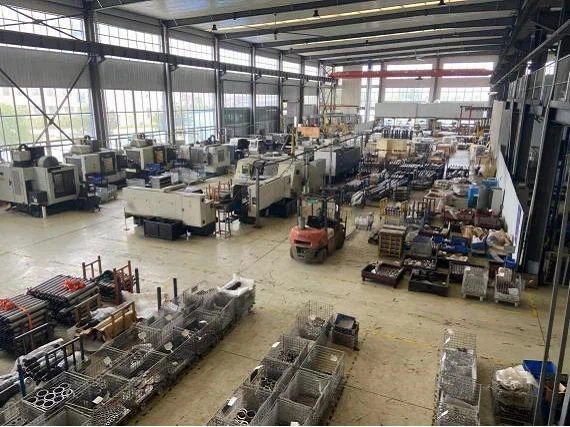
Our Factory
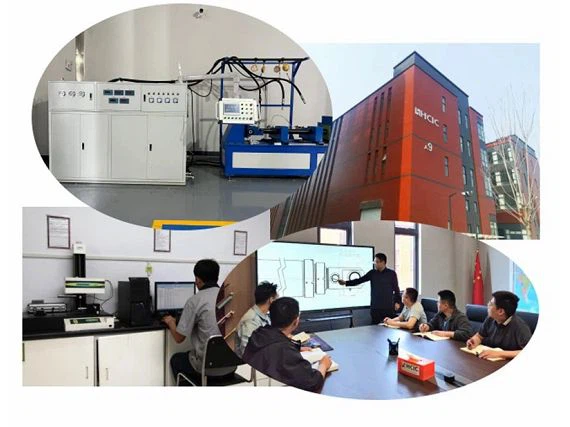
We currently have a R&D center in Jinan with 16 technical engineers in R&D teams. There are 20 hydraulic engineers in our company, more than 600 employees, 3 hydraulic cylinder production workshop, 1 power unit production workshop, and the annual import and export quota exceeds 30 million U.S. dollars.


FAQ
Q: How to maintenance a hydraulic pump?
Remove any corrosion rust. Battery cable connections should be inspected for corrosion. All electrical connections at power unit should be inspected for corrosion and cleanliness. Check tightness of nuts on motor stud and motor solenoid.
Q: What is the most common cause of hydraulic pump failure?
Air and water contamination are the leading causes of hydraulic failure, accounting for 80 to 90% of hydraulic failures. Faulty pumps, system breaches or temperature issues often cause both types of contamination.
Q: Do hydraulic pumps need oil?
Q: What is the life expectancy of a hydraulic pump?
However, in general, a well-maintained pump can last anywhere from 5,000 to 10,000 hours of operation. One of the critical factors that determine the lifespan of a pump is the quality of the pump itself.
Q: Will water ruin a hydraulic pump?
Q: What is the most reliable indicator of a faulty hydraulic pump?
Q: Can you deadhead a hydraulic pump?
Q: Can you test a hydraulic pump?
Q: Do hydraulic pumps need to be bled?
Q: When should a hydraulic pump be replaced?
Q: What is the difference between a normal pump and a hydraulic pump?
Q: What is a hydraulic pump used for?