

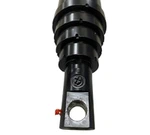


Hydraulic Cylinder Components
Your Professional Hydraulic Cylinder Components Manufacturer in China!
Jinan Huachen Industrial Co., Ltd. was established in 1998. The company adheres to the concept of diversified management, follows international trade rules, and is mainly engaged in import and export business and agency business. At present, the pneumatic and hydraulic products, large hydraulic machinery, food processing and packaging machinery, auto parts, hardware accessories, etc. we produce are sold to more than 20 countries and regions including the United States, Australia, South America, the Middle East, and South Asia.
Why Choose Us
Quality Assurance
All products we produce undergo multiple quality inspections to ensure that all products are qualified. All cylinders are chrome-plated, polished, and the individually heat-treated shafts can extend the life of the cylinders.
Rich experience
Our company has 26 years of experience in the industry. We have been deeply involved in this industry and continuously improved our production level and upgraded equipment. We have more than 400 CNC machine tools of various types.
High-quality service
You can consult us at any time for any questions before or after sales, and our professional team will reply you within 2 hours and provide you with professional advice.
Customizable
We offer various designs, colors, styles, patterns and sizes for your products. Customized specifications are also welcome.


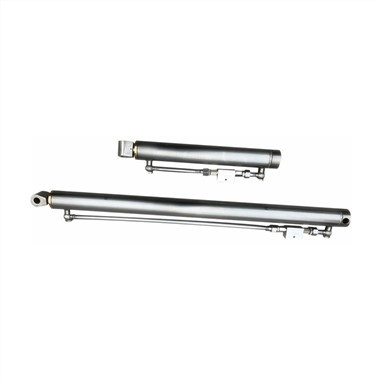


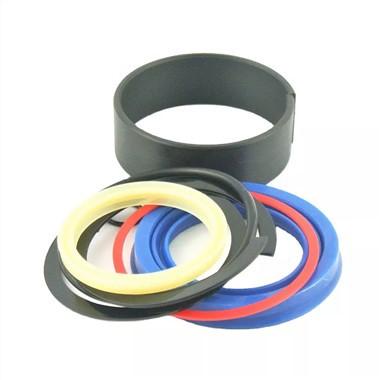


Here are Tow Types of Hydraulic Cylinder Components
Double Acting Hydraulic Pump
A double acting hydraulic pump is a mechanical source of power that converts mechanical power into hydraulic energy (hydrostatic energy i.e. flow, pressure). Double acting hydraulic pumps are used in hydraulic drive systems and can be hydrostatic or hydrodynamic. They generate flow with enough power to overcome pressure induced by a load at the pump outlet. When a double acting hydraulic pump operates, it creates a vacuum at the pump inlet, which forces liquid from the reservoir into the inlet line to the pump and by mechanical action delivers this liquid to the pump outlet and forces it into the hydraulic system.
Hydraulic Cylinder Valve
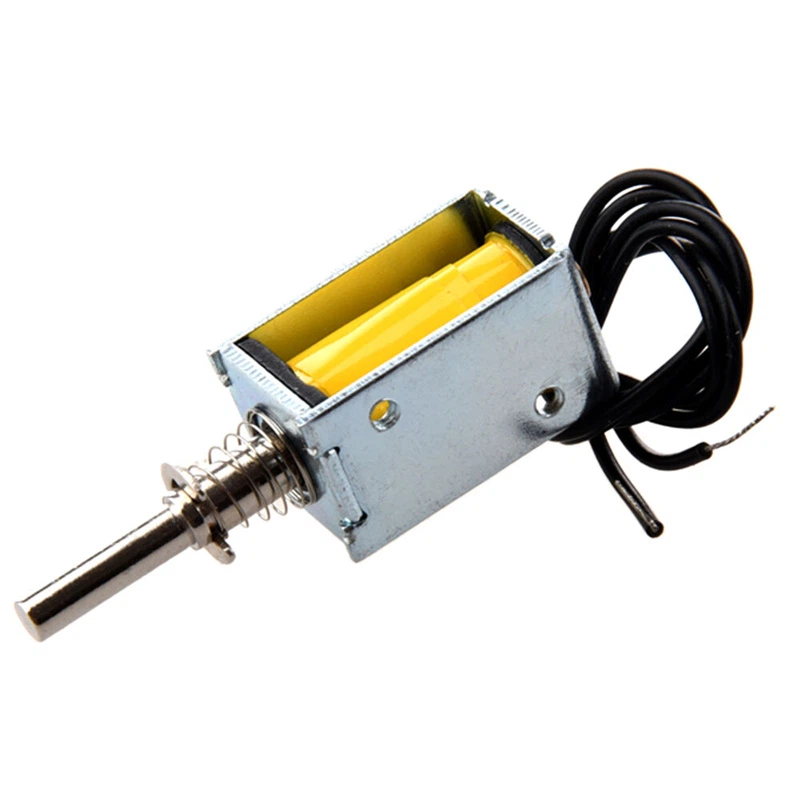
Hydraulic cylinder valves are used to regulate fluid flow in a hydraulic system. They can open, close, or redirect pressurized fluid and regulate the flow rate. The hydraulic cylinder valve is an automation component operated by pressure oil, usually in combination with an electromagnetic pressure valve. Hydraulic cylinder valves can be used to remotely control the on-off of oil, gas, and water pipeline systems in hydropower stations.
High Efficiency
Double acting hydraulic pumps are highly efficient, easily converting mechanical power into hydraulic power. They can generate high amounts of force, which is essential in various heavy-duty applications. They also offer quick response times, allowing machines to operate with greater precision and speed. Additionally, double acting hydraulic pumps are engineered to withstand the test of time, ensuring long-lasting performance and reliability. With their robust construction and superior design, these pumps require minimal maintenance and repair, even during prolonged periods of heavy usage.
Increased Versatility
Double acting hydraulic pumps can be used in many industrial applications, from manufacturing to mining to construction. This versatility is partly due to the wide range of hydraulic pump types available, each suited to specific needs and work environments. The flexibility and versatility of double acting hydraulic pumps make them a highly valuable asset for companies seeking to optimize the efficiency of their equipment across a wide range of industries. With their ability to generate and control hydraulic power, these pumps offer precise and reliable performance, ensuring smooth operation and increased productivity. Whether it's in manufacturing, construction, or transportation, double acting hydraulic pump play a crucial role in delivering superior performance and enabling seamless operations in various applications.
Safe to Use
Double acting hydraulic pumps are designed with safety in mind. They are equipped with numerous safety features that prevent dangerous situations from occurring. For example, double acting hydraulic pumps are designed to shut off or reduce pressure automatically if the system becomes overloaded. These safety features make hydraulic pumps a trusted and reliable option for industrial machinery.
Environmentally Friendly
Double acting hydraulic pumps are one of the most environmentally friendly options for powering industrial machinery. This is because they consume less energy than other types of power sources, such as electric motors. They also produce fewer emissions, making them eco-friendly for companies looking to reduce their carbon footprint. Additionally, double acting hydraulic pumps are often used in closed-loop systems, which help to reduce waste and pollution.
Cost-Effective
Despite their numerous advantages, double acting hydraulic pumps are surprisingly cost-effective. They are built to last, requiring minimal maintenance and repair over long periods of use. In addition to their cost-effectiveness, double acting hydraulic pumps frequently offer lower capital costs compared to alternative power sources. This makes them an appealing choice for companies aiming to optimize their investment return.
Construction of Double Acting Hydraulic Pump
Casing
The casing is the external part of the double acting hydraulic pump, which protects the inside components of the pump. These pumps are constructed with either aluminum or cast iron materials.
Impeller Blades
Impeller blades simply rotate in the housing of the double acting hydraulic pump. These blades help in rotating the surrounding fluids so that the flow of fluid will be at a higher potential. In addition, they play a significant role in cooling & lubricating the system.
Shaft
The shaft of the double acting hydraulic pump is utilized to mount the impeller. This shaft is made with stainless steel or steel and its size mainly depends on the impeller.
Bearing Assembly
Bearing assembly helps in rotating the impeller continuously. Most of the pumps use ball-type anti-friction bearings.
Sealing
Bearing assemblies in most of the pumps fail, then pumps will get damaged. So, sealing is used to eliminate the failure risk by shielding the bearing assemblies from coolants & contaminants.
Double Acting Hydraulic Pump Performance: 5 Causes of Operational Inefficiencies
Fluid Incompatibility
The flow of incompatible fluid in a double acting hydraulic pump can compromise equipment function and performance. When purchasing a pump for your machinery, consider the process fluid you use in your operations before selection. The critical liquid properties for identifying the right pump include specific gravity, operating temperature, vapor pressure, and particulates or abrasives. If you have the wrong pump for your hydraulic fluids, replace the old component with a compatible one to prevent long-term inefficiencies.
Improper Sizing
An undersized double acting hydraulic pump is prone to inefficiencies and malfunctions. The component will often experience strain after installation, and the performance can decline over time before complete failure. Therefore, consider the suitability of your double acting hydraulic pump size for your machinery. Check on critical aspects like flow rate, total volume, discharge pressure, and power rating. Oversized pumps are also unsuitable for efficient equipment function. The extra horsepower available in a large double acting hydraulic pump will often increase energy wastage. Moreover, the unit could cause strain to other connected components.
Poor Piping Design
The inefficiencies in your double acting hydraulic pump could be linked to the connected piping. A poor design can increase the strain on pumping components and cause a decline in performance. Check these elements and ensure the size is appropriate for the pump flow rate and pressure. The right diameter will often promote consistent fluid flow and reduced pump stress. The weight of connected pipes can damage the pump by pulling at connection points. Therefore, when dealing with heavy hosing, use hangers or other supports to support the mass. The connection points are vulnerable areas for leakage when the fluid flows into and out of the pump. Use compatible fittings capable of withstanding the pressure and temperature of the fluid.
Incorrect Operation
If the pump operates contrary to the manufacturer's instructions, operational inefficiencies can arise. For instance, the wrong controller settings can cause an irregular flow of hydraulic fluid during operation. Consequently, the equipment might not function at the optimal capacity. Other critical settings include system relief, pressure compensator, and drive motor speed. The operator must monitor these aspects to prevent inefficiencies related to human errors. Keep in mind that excess adjustment or constant knob-turning can also compromise pump function. Therefore, choose a well-trained specialist for hydraulic equipment management. Additionally, restrict the change of equipment settings by other workers without approval.
Irregular Upkeep
The core of consistent and efficient double acting hydraulic pump function is proper maintenance. Therefore, follow the manufacturer's guidelines for regular system upkeep. The most critical task is housekeeping. Clean the pumps to prevent accumulated harmful grime and particles. Clean pumps are also easier to troubleshoot in case of a breakdown. The quality of hydraulic fluid affects the operational efficiency of pumps. If old and degraded fluids remain in the equipment, the equipment performance can decline. Avoid this problem by changing the fluid as recommended. Choose high-grade fluid to improve pump performance and prevent component damage.
How to Drain and Clean Your Double Acting Hydraulic Pump's Reservoir
Drain the System
To drain the system, empty the liquid from the reservoir, the pipes, the valves, the accumulators, the filter housings, and wherever else it may have accumulated.
Clean the Reservoir
Remove dust or dirt from the reservoir's exterior with a clean, dry lint-free cloth. Next, use a clean rag to wipe out the inside of the reservoir, paying special attention to any areas where paint, sludge, or deposits have become mushy or loose. Also, inspect the reservoir's internal cavities, clearing them of pitting and any buildup of sludge or deposits.
Flush With Specialized Fluid
First, fill the tank with a flushing substance whose viscosity is close to or lower than that of the machine's operating fluid. Stroking the valves repeatedly will help move the cleansing fluid through the system more effectively. The reservoir can be emptied after the flushing fluid has passed through the system. To avoid a backlog of forward contamination, you should do this as fast as possible at a high temperature. After you have emptied the fluid, inspect the reservoir for debris and sterilize it if necessary.
Bleed the Pump
Load the system with the hydraulic fluid until it is about 75 percent full. Then, either activate the pressure relief valve or turn on the pressure pump. The next step is to operate the pump for 15 seconds and then deactivate it for 45 seconds at regular intervals. To get the pump going, you need to do this three times. After that, you need to run the pump nonstop for a few hours to get all the old fluid out of the system and the fresh fluid in, which will get the pump cycling again.
Test the System's Integrity
Power down the hydraulic system and allow the fluid to flow generally by opening the bypass mechanism or pressure relief valve. Operate the system with the pressure release or bypass valve open for one minute, and then allow the system to cool down. Do not leave the pump under load for more than five minutes after closing the bypass. Raise the relief valve during this time to flush it out. The next step is to turn off the pump and wait at least five minutes before continuing. It is important to give the system some downtime in between each time you run the pump and inspect the relief valve.
Activate the Pump
Ensure the hydraulic system's tank is at least a quarter full before turning on the pump. Activating the pump will trigger fluid to move from the reservoir into the actuator lines. Then trigger each actuator manually. Let the fluid drain back into the reservoir between actuator uses is necessary. Keep going until you have activated every single actuator. When done, turn off the machine. Maintain a fluid quantity level of at least half capacity by checking it frequently and topping it off as needed.
Refill the Reservoir
Depending on how the system is set up, fill the reservoir to about 75 percent. After filling the reservoir, operate the system for five minutes, letting air out during each shutdown. Listen for cavitation and other strange noises as the system operates. Additionally, the operator should monitor the reservoir for any evidence of cross-contamination during this time. Cross-contamination indicators necessitate filter replacement and further testing.
Evaluate for Stability
After maintenance, the system should be tested to ensure it functions well before being returned to service. You must run the reservoir for six hours to ensure the system is stable and replace the filters. This time frame is adequate for verifying fundamental performance and reducing danger in the event of unforeseen problems.
Advantages of Hydraulic Cylinder Valves
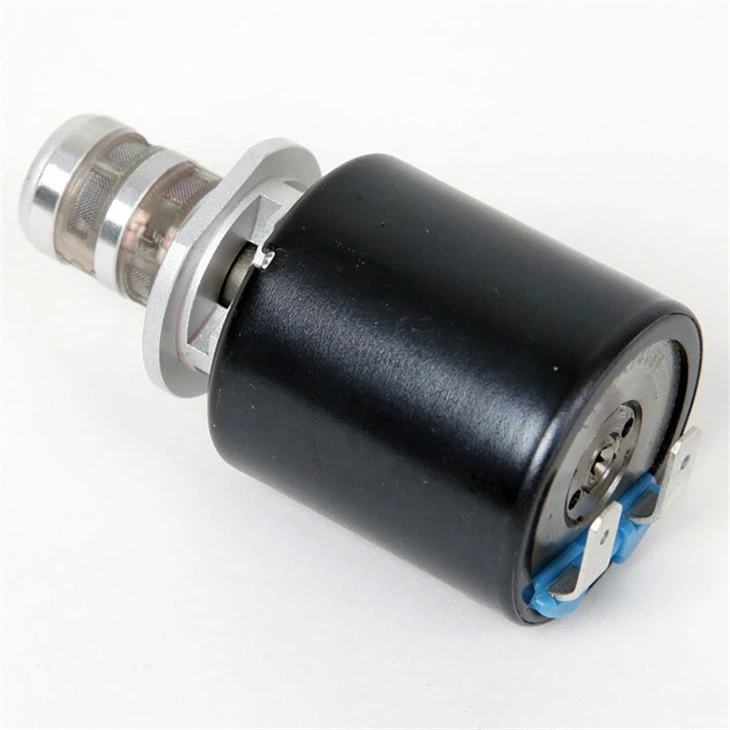
01.Hydraulic Cylinder Valves Have a Simple and Compact Structure.
02.Smooth and Reliable Hydraulic Transmission
03.Large Output Torque
04.Adjustable Output Torque
05.Convenient Speed Regulation
06.Performance in Power Failure Situations
Media Characteristics
The characteristics of the hydraulic fluid to be used in the system plays a vital role in determining which components are best suited – and this is no different when it comes to hydraulic valves. Hydraulic fluids vary in viscosity and corrosiveness. With that in mind, the valve material must be compatible with the liquid to avoid any performance issues. Materials such as cast iron, brass and aluminum may potentially be affected by certain fluids.
Operating Conditions
Whilst hydraulic cylinder valves are typically robust and designed to withstand harsh operating conditions, some materials naturally perform better than others in specific applications. The pressure, flow rate and temperature of the system should be kept in mind when selecting a valve. For high temperature and pressure applications, steel or metal valves are the most suitable in comparison to plastic or lower grade materials.
Size
The valve should be sized correctly with the appropriate fittings or mounting connections to avoid any common issues such as pressure loss or damage due to excessive heat generation caused by too high a fluid velocity. A valve that is too small may not have the capacity to pass the required flow, and one that is too large can lead to undesirable changes in fluid flow. As a general rule of thumb, hydraulic valves should be sized to operate between 60-80% open at the maximum required flow rate.
Valve Function
It's important to consider the function that your valve will be required to perform. If it's for a simple on/off control, a 2-way valve may be adequate. Whereas, if you also need the function of mixing or diverting the fluid, opt for a 3-way valve. Similarly, if it's likely that your valve will be open more often than it is closed, select one that is designed to sit in that position for the most part, and vice versa.
Valve Operation
Different valves are designed to be operated in different ways – i.e. manually hand-operated or automatic. Depending on the requirements of your system, one of these will make a better selection than the other.
Selecting the Right Hydraulic Valve
It's all too common that oversized or incompatible valves are implemented in a system, which has a huge impact on operational efficiency and accuracy. Sizing and selecting the right hydraulic cylinder valve requires in-depth knowledge of hydraulic equipment and best practices.
Our Factory
We currently have a R&D center in Jinan with 16 technical engineers in R&D teams. There are 20 hydraulic engineers in our company, more than 600 employees, 3 hydraulic cylinder production workshop, 1 power unit production workshop.

Ultimate FAQ Guide to Hydraulic Cylinder Components
Seed Trays Digitial Cutting Machine Safety Valve Test Machine China Booster System Thermal Break Line Henry Carbon Steel PEK Linear Guides Ailutaike