



Smart Hydraulic Cylinder
Jinan Huachen Industrial Co., Ltd. was established in 1998. The company adheres to a diversified business philosophy and follows international trade rules. It is mainly engaged in import and export business and agency business. At present, the pneumatic hydraulic products, large hydraulic machinery, food processing and packaging machinery, auto parts, hardware accessories, etc. are sold to more than 20 countries and regions including the United States, Australia, South America, the Middle East, and South Asia.
Why Choose Us
High quality
Our products has passed 180,000 times of stress tests,we can offer 12 months warranty and 10 years service life.
Rich experience
We have more than 20 years experience,can offer customizable & speical option available.
Customized services
We adopt european technology and american standards to provide customers with a full set of customized services from design to delivery.
Technical support
We currently have a r&d center with 16 technical engineers in r&d teams,there are 20 hydraulic engineers in our company.
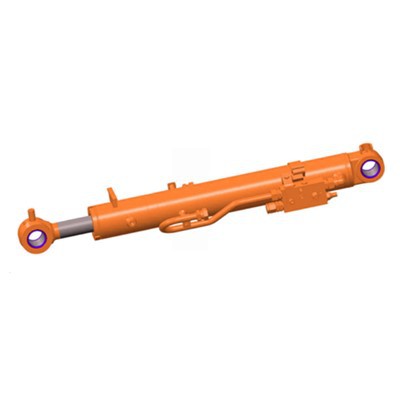


What Is Smart Hydraulic Cylinder?
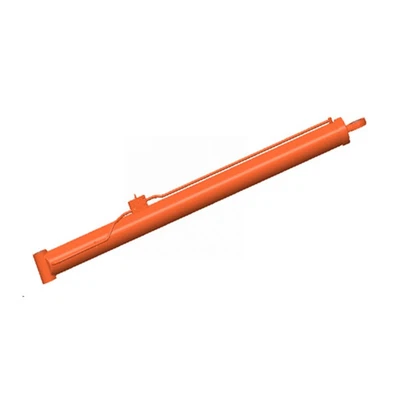
Smart hydraulic cylinders gain their name from the fact that highly accurate position sensing electronics are integrated with the hydraulics in a single actuator. Thus these cylinders are “smart” about understanding cylinder position allowing robust position information to be fed to more complex feedback systems.
Benefits of Smart Hydraulic Cylinder
Predictability
Smart hydraulic cylinders do whatever you program them to do and communicate their position in real-time so that you can automate and predictively control stroke and other movements of one or multiple cylinders. Even the most experienced equipment operators can’t achieve the predictability associated with electronic position-sensing technology.
Accuracy and repeatability
Electro-hydraulic cylinder control allows for sequencing that manages which cylinders perform a specific action, and when. Control the location of the smart sensing cylinder down to tight tolerances for repeatable positioning, even in challenging applications. With smart sensing cylinders, any operation—drilling, rigging, cutting, leveling, spraying—is performed with exceptional accuracy.
Usability
Finding experienced equipment operators isn’t always easy. And sometimes, the work demands exceed what your current crew can handle. The automation made possible by smart technology allows someone at any skill level to achieve pinpoint accuracy when controlling multiple hydraulic cylinders.
Safety
Smart sensing hydraulic cylinders improve not only accuracy and performance but also safety. Automation helps reduce operator fatigue often caused by applications requiring high levels of precision and consistency. The ability to remotely control positioning lets you operate equipment in hazardous areas without creating personal safety risks.
Compatibility
The basic specs of an electronic position sensing cylinder are the same as a standard tie rod cylinder; the only difference is the addition of sensors and analog or digital outputs. This means that any piece of equipment that moves hydraulically can use a smart cylinder.
Construction industry
Application in machinery: In the construction industry, smart hydraulic cylinders are crucial for the precise control of heavy equipment such as cranes, excavators, and bulldozers. These sensors enable exact positioning, which is essential for tasks like lifting heavy materials or digging at specific locations.
Impact on safety and efficiency: The integration of position sensing technology in construction machinery significantly enhances safety by providing accurate control, which reduces the risk of accidents. It also boosts efficiency by enabling faster and more accurate completion of tasks.
Manufacturing sector
Use in automated assembly lines: In the manufacturing sector, these hydraulic cylinders are extensively used in automated assembly lines. They facilitate precise movements and positioning of parts, which is crucial in assembly processes.
Enhancing product quality: The precision provided by position sensing ensures consistency in product assembly, leading to higher quality products with fewer defects. This is particularly important in industries such as automotive manufacturing, where precision is vital.
Automation and robotics
Role in robotics: Smart hydraulic cylinders are integral to the field of robotics, particularly in industrial robots that perform tasks like welding, painting, and assembling.
Advancing automation: They contribute to the advancement of automation technologies by providing the necessary precision and reliability for complex robotic operations.
Components of Smart Hydraulic Cylinder

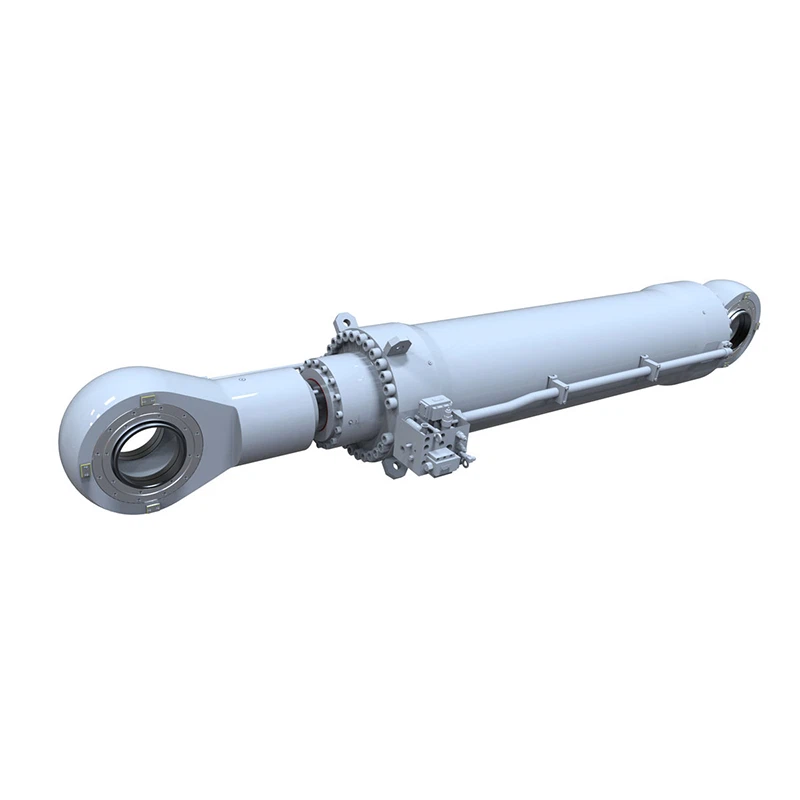

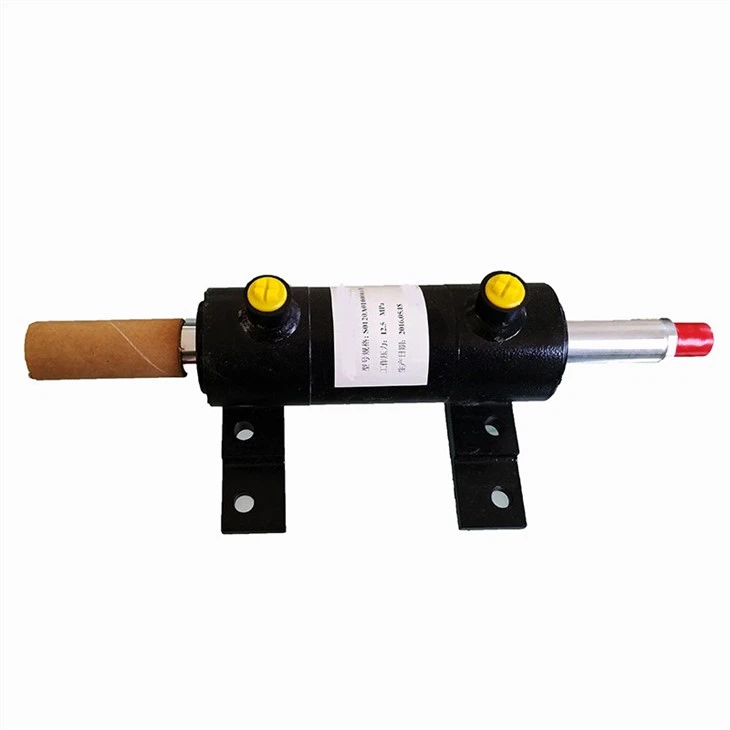
Cylinder base
The cylinder base encloses the barrel at one end and can be connected to the barrel with a weld, threading, bolts or tie rods. The base holds the mounting solution at one end of the cylinder and seals it tight to maintain pressure and prevent fluid from escaping. Mounts or welds secure the base and hydraulic cylinder to the body of your mobile equipment.
Cylinder head
On the other end of the barrel is the cylinder head. The head maintains hydraulic pressure by closing off the other end of the barrel and allowing the piston to extend and retract while under pressure. Cylinder heads contain seals and bearings that seal the barrel, head, and opening and align the piston rod.
Piston
Inside the barrel, the piston is the component attached to the rod that bears the force of the hydraulic fluid, allowing it to extend or retract. A piston is often machined with several grooves to allow seals to fit around it and maintain hydraulic pressure inside the barrel. The piston transfers its power to the piston rod and is attached by threads, bolts, or nuts.
Piston rod
The piston rod is typically a hard chrome-plated piece of cold-rolled steel attached to the piston and extends from the cylinder through the head. The piston rod connects the hydraulic cylinder to the machine component doing the work, such as a plow or dump body. The mounting attachment attaches directly to the piston rod.
Position sensors
The position sensor detects the position of something which means that they are referenced either to or from some fixed point or position. These types of sensors provide a “positional” Feedback.
Stainless steel type 304
Type 304 Stainless is one of the most widely used materials in engineering. Type 304 Steel is not only resistant to corrosion but is also easily available and environmentally friendly. Stainless steel 304 is durable in acidic environments and does not wear easily.
Titanium alloy grade 1
When used to manufacture hydraulic cylinders, titanium grade 1 provides corrosion resistance and impeccable strength. It is also easy to machine or form, and is relatively lightweight for its strength - one of the best properties to look for in a material. For all the advantages of titanium 1, it is expensive due to the energy-intensive ore extraction process.
Cast iron grade 60-44-18
One of the reasons why Grade 60-44-18 Cast Iron is popular for engineering purposes is because it is the cheapest material available! Cast iron has a superior surface finish and is associated with a low cost of fabrication. Despite being lightweight, ductile cast iron will deliver excellent strength and load bearing capacity. Ductile cast iron is not without some disadvantages. The material is difficult to weld and is vulnerable to rust. It is also limited in acidic environments.
Low alloy steel
To get this material (a broad category rather than a single metal), steel is alloyed with different metals to create a composite metal with the desired properties. In addition to being cheap, low alloy steel is resistant to wear, corrosion and abrasion. It also works well with oils, fuels and solvents.
Nickel-chromium alloys
This alloy has a high tensile strength and is resistant to a good number of corrosive media, making it suitable for use in the manufacture of hydraulic pistons. It is also environmentally friendly, has great machinability and can be welded easily. The only disadvantage associated with this material is the relatively high price tag.
Low carbon steel
Low carbon steel is not only easily available but also cheap. The material is malleable and very durable in oil and fuel. However, low carbon steel will yield easily and its use in an acidic environment is quite limited.
Process of Smart Hydraulic Cylinder
The design phase, cylinder manufacturing
In the design stage, the requirement specifications of the cylinder to be designed are transformed into technical drawings describing the materials of construction, dimensions, tolerances, quality of internal surfaces, and coating methods.
Requirements of barrels
The barrel should have sufficient strength and enough rigidity. The barrel should also have smooth interior surfaces, high precision tolerances, and durable service life. The requirement specifications for a barrel in a hydraulic cylinder can be realized by a proper selection of barrel material.
Materials for barrels
There are many steel materials available in terms of their tensile strengths. A barrel for a hydraulic cylinder can generally be prepared from an annealed cold-drawn or hot-rolled seamless steel tube. The steel type is usually carbon steel. However, in applications with corrosive environments, stainless steel can be used.
Machining process (boring) for barrels
Machining is a metal removal process that depends on boring, cutting and grinding operations to remove unwanted material from the barrel to achieve a final shape. The boring operation is the main process of machining the barrel for achieving dimensional and surface finish tolerances.
Precision machining of barrels
After cold drawing and heat treatment, the partly finished barrel is additionally prepared for improving the surface finish and the geometric form of the inner surface of the barrel using the following methods:
- Honing process and
- SRB (Skiving & Roller Burnishing) process.
Preparing pistons
The piston is first machined for correct sizing. It must then be quenched and tempered for hardness. Verify its hardness through a hardness test. The correctly-sized piston is, then, machined with grooves to fit seals and bearing elements. The piston is inseparably attached to the piston rod using threads, bolts, or nuts.
Preparing piston-rods
The piston rod must be machined for obtaining the correct shape and size. First, it must be roughly machined. It must then be quenched and tempered for hardness. Verify its hardness. It must then be heat treated through induction hardening, carburizing, or nitriding method to improve its surface hardness. It must then be precision machined, finely ground, and polished to provide a reliable seal and prevent leakage. The piston rod is then coated with hard chrome plating or subjected to surface heat treatment. It must then be polished to provide a reliable seal and prevent leakage.
Preparing cylinder end plates
The manufacturing process of a cylinder head with rod sealing, guiding, cushion, and porting arrangements, involves the inspection of the material certificate, rough machining, quenching and tempering, hardness testing, precision machining, internal and external threading, sawing, milling, boring and fitting, and final inspection.
Cylinder ports
On hydraulic cylinders, standard ports are SAE O-ring threaded ports. Another porting option is a four-bolt flange port. Yet other port options are NPTF dry seal threads and BSPP threads.
Coating, painting, and polishing
The outside surface of the barrel must be spray painted as per the relevant standards. Hard chrome coating is provided on the piston. The surfaces of piston-rod are often treated using techniques such as Nickel-Chromium plating, laser cladding, supersonic flame spraying, or thermal spraying for making it wear-resistant and corrosion-resistant.
Seals for cylinders
The selection of the right seal profile and material for a given application requires consideration of many factors such as the piston-rod and bore diameters, seal groove dimensions and gaps, etc.
Assembly of cylinder parts
The fitting section assembles all the components of a cylinder, such as a piston rod, piston, tube and seals, with the necessary tools and utmost care.
Quality control of cylinders
A strict quality control procedure should be in place in every step of the production process to meet the specifications.
Tests and inspections
The manufactured cylinder must undergo performance testing under load to confirm its specifications as per the requirement specifications. Ensure that all dimensions and technical requirements of the cylinder are as per the drawing. Arrange inspection by third-party agencies if required.
How to Maintain Smart Hydraulic Cylinder

Visual inspection
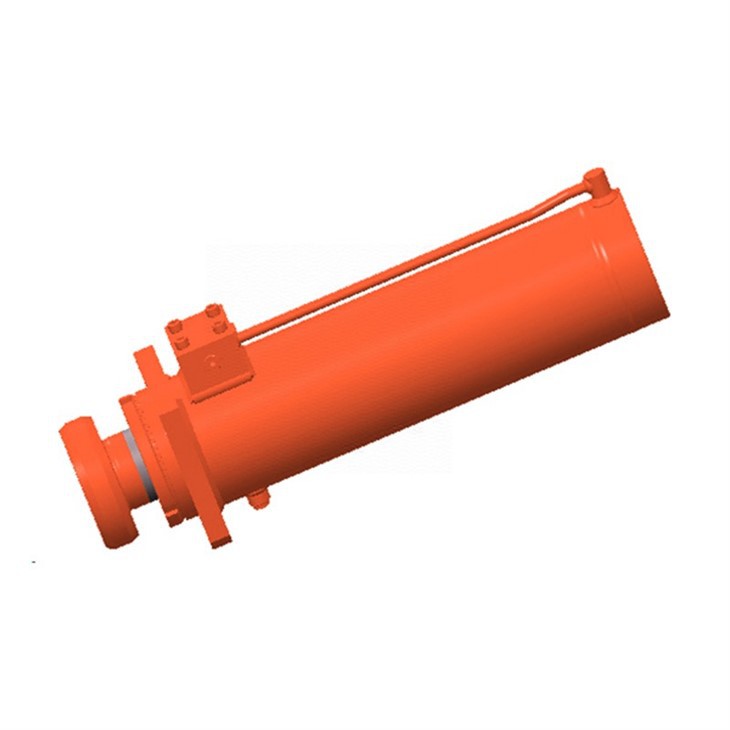
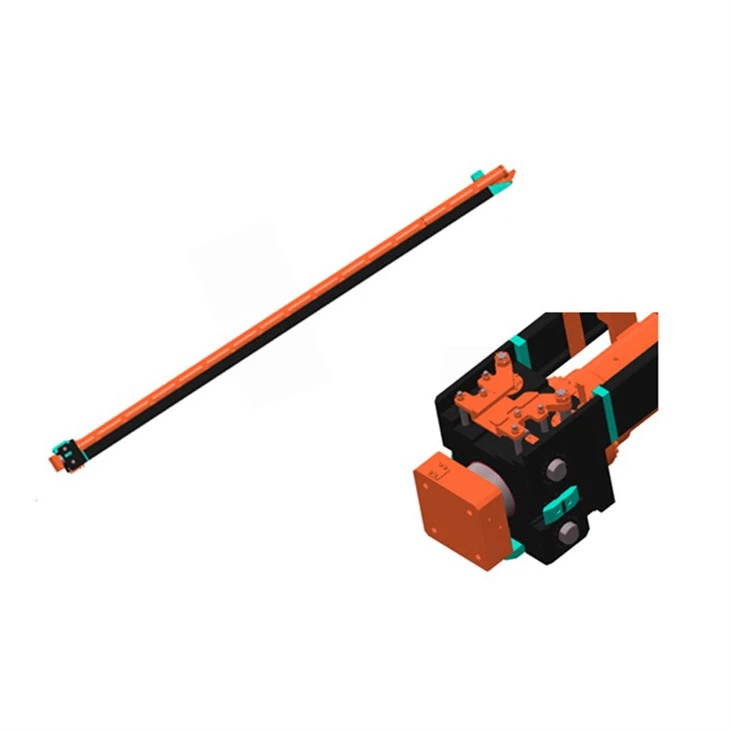
Regular visual inspection of the hydraulic cylinders on your equipment can identify potential issues before they become big problems. Clean off any dust and debris and pay attention to any areas that may show signs of oil leaking out of the cylinder. If excess oil is present, determine the source. Verify that all fittings are tight and consider resealing the cylinder if there is excessive oil buildup on the rod or it is leaking. Look for any damage to the plating or finish on the cylinder rod that could contribute to rod seal failure.
Grease pivot points
Regular inspection and greasing of pivot points where the cylinder mounts to the equipment is important to maintain proper functionality and extend the service life of your cylinder and equipment. When greasing, it is also important to inspect bushing or bearings that may be worn or damaged. The mounting fit-up of the cylinder to the equipment is critical to ensuring proper and safe operation.
Cylinder rod lubrication
Corrosion of the cylinder rod can cause major problems. The most common result of cylinder rod corrosion is seal failure and leaking. Once the cylinder rod is damaged, seal failure will occur rapidly and the rod will need to be replaced.
The best way to avoid corrosion is to keep the cylinder rod lubricated. In most applications, this occurs naturally each time the cylinder cycles. However, if the equipment operates for extended periods with the cylinder rod extended or if the equipment is stored for prolonged periods with the cylinder rod extended, the potential for rust and corrosion issues is heightened. In those cases, it is important to lubricate the rod from time to time either by cycling the cylinder or applying lubricant to the rod.
It is also important to make sure the cylinder rods are lubricated immediately after equipment washdown. Washdown may remove all lubrication from the exposed cylinder rod and result in rust and corrosion very quickly. The best action is to cycle all cylinders fully after washing your equipment.
Hydraulic system maintenance
Maintaining clean and uncontaminated hydraulic fluid is critical to cylinder life. Dirty hydraulic fluid can damage seals and other components leading to seal failure and leaking. It can also clog valves and fittings which can inhibit the intended functionality of the system. It is important to follow the recommended maintenance plan for your hydraulic system that is provided by the manufacturer of your equipment. Make sure filters and fluids are changed on schedule.
A “SMART” cylinder is a type of hydraulic or pneumatic actuator that incorporates a linear transducer (sensor) that can be mounted either internally or externally.
The sensor provides instantaneous feedback of position and velocity and can be outputted to various analog and digital formats. Through electro-hydraulic control, equipment function can be automated to improve overall performance and efficiency.
Accuracy as high as +/- 0.004” (+/- 0.1mm) can be achieved, depending on cylinder stroke length and other design parameters.
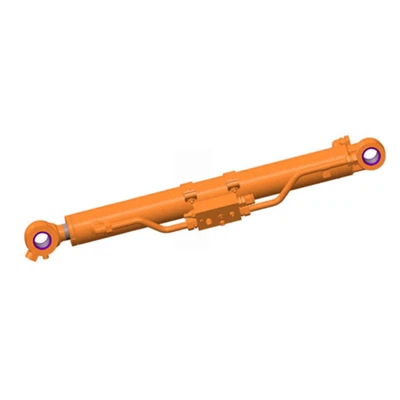
What are Common Concerns with Synchronizing Hydraulic Cylinders Using Sensors?
The top concern with choosing smart sensors for synchronizing hydraulic cylinders is the higher purchasing price. For OEMs and manufacturers with budget as a priority, mechanical synchronization can be tempting as these systems are cheaper to install. However, sensors more than compensate for the higher purchasing cost through reliable readings, automatic synchronization correction, and more.
Oil cleanliness is likewise a consideration for synchronizing position-sensing cylinders. Electronic connections are susceptible to corrosion, impacting the feedback of the valves, sensors, and positioning. This is particularly important when operating equipment underground, such as mining machinery. By conducting regular maintenance routines that involve checking all fluids, replacing filters, and taking other steps to prevent contamination, you can ensure your cylinders operate at a high level for a long time.
How Fluid Flow Can Affect Hydraulic Cylinder Speed
In terms of hydraulic systems, a reduction in performance is usually the first clue that a problem has manifested in the system. This is most often indicated by longer cycle times and slower operation.
The root cause of these failure symptoms can frequently be traced back to fluid flow. The fluid flow in a hydraulic system determines actuator speed and quickness of response. Loss of flow will equate to loss of speed.
Applying this same logic to an increased cylinder speed would mean that more flow is occurring. What could happen in a hydraulic system that would cause an increase in flow over time?
Internal leakage – If an internal leak becomes clogged, the flow would inherently increase.
Viscosity change — If the viscosity were to decrease, the flow would increase (depending on the pump and system design).
Filter collapse or bypass malfunction — If the filter was causing reduced flow and then burst, or there was a malfunction with the bypass that allowed flow to increase, both would result in an increased cylinder speed.
Air entrainment — Air in the fluid will cause poor (slow) performance. If the air problem is corrected, the system will speed up.
Oil line cleared — If a restricted or blocked oil line becomes unrestricted/unblocked, the fluid flow will increase.
Change in load — If the load on the cylinder is reduced, it may increase cylinder speed.
These are just a few things that may be plaguing the hydraulic system. In order to provide a more comprehensive diagnosis, more details would need to be known, such as the system design, seal health, filter type and age, contamination levels, cylinder position, etc.
Our Factory
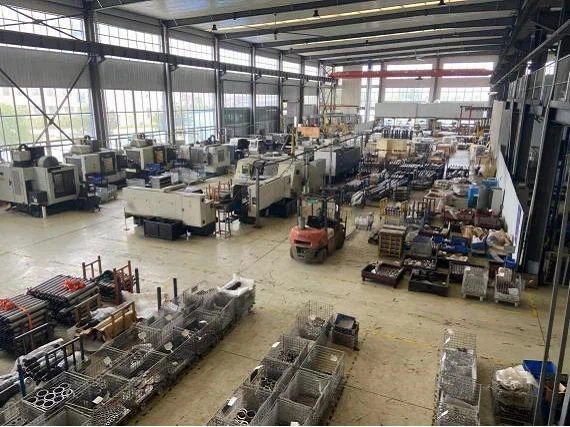
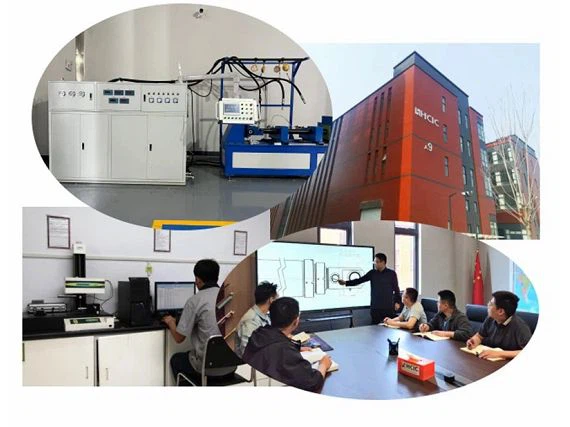
We currently have a R&D center in Jinan with 16 technical engineers in R&D teams. There are 20 hydraulic engineers in our company, more than 600 employees, 3 hydraulic cylinder production workshop, 1 power unit production workshop, and the annual import and export quota exceeds 30 million U.S. dollars.


FAQ
Q: How does a smart cylinder work?
Q: What are the three types of hydraulic cylinders?
Q: What makes a hydraulic cylinder stronger?
Q: What is another name for a hydraulic cylinder?
Q: How to balance two hydraulic cylinders?
Q: What kind of steel is used in hydraulic cylinders?
Q: What holds a hydraulic cylinder in place?
The base holds the mounting solution at one end of the cylinder and seals it tight to maintain pressure and prevent fluid from escaping. Mounts or welds secure the base and hydraulic cylinder to the body of your mobile equipment.
Q: What is the end of a hydraulic cylinder called?
Q: How do you increase the pressure in a hydraulic cylinder?
Q: How do you tell if a hydraulic cylinder is single or double acting?