

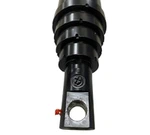


Telescopic Hydraulic Cylinder
Jinan Huachen Industrial Co., Ltd. was established in 1998. The company adheres to a diversified business philosophy and follows international trade rules. It is mainly engaged in import and export business and agency business. At present, the pneumatic hydraulic products, large hydraulic machinery, food processing and packaging machinery, auto parts, hardware accessories, etc. are sold to more than 20 countries and regions including the United States, Australia, South America, the Middle East, and South Asia.
Why Choose Us
High quality
Our products has passed 180,000 times of stress tests,we can offer 12 months warranty and 10 years service life.
Rich experience
We have more than 20 years experience,can offer customizable & speical option available.
Customized services
We adopt european technology and american standards to provide customers with a full set of customized services from design to delivery.
Technical support
We currently have a r&d center with 16 technical engineers in r&d teams,there are 20 hydraulic engineers in our company.


Telescopic cylinders are also referred to as multi-stage cylinders. They are a variety of linear actuator that consists of tubular rods referred to as sleeves. There are usually four or five sleeves that decrease in diameter and nest inside one another. As soon as hydraulic pressure is exposed to the cylinder, the largest sleeve (called the barrel or main) extends. As soon as the barrel reaches its maximum stroke, the next sleeve (called a stage) starts to extend. This is an ongoing process until the cylinder reaches the final stage that’s referred to as the plunger.
Benefits of Telescopic Hydraulic Cylinder
Telescopic hydraulic cylinders take less space
One of the main benefits is the fact that these cylinders can be used effectively in small, compact spaces. If your operations are confined and require compact equipment, consider a telescopic hydraulic cylinder that can extend significantly longer than the collapsed length. This is the most logical option if you have limited mounting space and require a long stroke.
Telescopic cylinders can meet specific angle requirements
Using this cylinder variety is the most practical in vehicles that feature a hydraulic-powered bed such as a dump truck. There are specific angles that are required to gradually release the materials at the required range, requiring a 60-degree angle to empty the contents of the bed. As well as raising the bed, telescoping cylinders are beneficial in collapsing and returning the bed to a horizontal position.
Can be made as a constant thrust / constant speed application
Special telescopic cylinders are known as constant-thrust/constant-speed cylinders. They are configured so that all moving stages extend simultaneously to provide a constant speed and force while it is extending or retracting. This variety of telescopic hydraulic cylinders is often used to drive drill heads in underground mining where performance parameters are necessary. Due to its more complicated design, this type of hydraulic cylinder accomplished the necessary action by internally trapping oil, limiting the number of moving stages, and matching retract and extend areas.
Can be made as a double or single acting
Another noteworthy advantage is that telescopic hydraulic cylinders can be made as single-acting, double acting, or a combination of the two. If you opt for the combination of single-acting and double-acting telescopic cylinders, you’ll also receive the benefits of a double-acting cylinder combined with the ease of operation and cost-effectiveness of a single-acting hydraulic cylinder.
Telescopic cylinders have a longer stroke
The stroke length of this cylinder variety is longer than others. The typical collapsed length of a telescopic hydraulic cylinder is roughly 20-40 percent of its fully extended length. This is considered an extra-long stroke that cannot be achieved with other types of cylinder types, making it one of the biggest unique selling points of this variety.
Types of Telescopic Hydraulic Cylinder
Single-acting telescopic cylinders
Single-acting telescopic cylinders feature a straightforward design that uses hydraulic pressure to extend and gravity or other external force to retract. They tend to have a larger outer diameter than rod cylinders and deliver reliable, long-lasting performance. They are often applied in dump trucks, platform truck/trailers, and similar equipment.
Double-acting telescopic cylinders
Double-acting telescopic cylinders use hydraulic pressure to extend and retract. They are ideal for applications where gravity cannot assist in moving loads due to horizontally mounted cylinders or other factors. Double-acting cylinders are often used in non-critical positioning applications, refuse vehicles, and transfer trailers.
Combination telescopic hydraulic cylinders
As implied by their name, combination telescopic cylinders feature plunger rods that can be single or double-acting, utilizing hydraulic pressure for a portion of the stroke and retracting through gravity or other external force. These multi-stage telescopic cylinders are often found in large mobile drilling rigs and other heavy-duty applications.
Application of Telescopic Hydraulic Cylinder
Dump trucks and transfer trailers
Dump Trucks and Transfer Trailers mostly carry heavy-duty materials, like rocks and soils that they must deliver to a particular location. It only means that these vehicles must be able to tilt with a very high strength that only this cylinder can provide.
Construction machinery and equipment
Once you understand its general purpose, you will know where it’s mainly used. One of the typical applications of this is in different construction equipment, like bulldozers, excavators, and forklifts. These mentioned construction equipment need force and power support.
Industrial manufacturing & production
It is not only for vehicles and pieces of equipment for heavy-duty purposes. It can also be seen in the production floor of manufacturing companies, like metal production. Additionally, it can use its power and force in drilling, cutting, and twisting metals through the hydraulic-powered methods and equipment used by the industry.
Agricultural equipment
A wide range of machinery is used in agriculture, and most of their operations are supported and powered by telescopic cylinders. Advanced technology and innovations have indeed improved planting, harvesting, and other agricultural activities, thanks to the presence of tractors, loaders, etc. These pieces of equipment have cylinders to back them up during their operations.
Components of Telescopic Hydraulic Cylinder
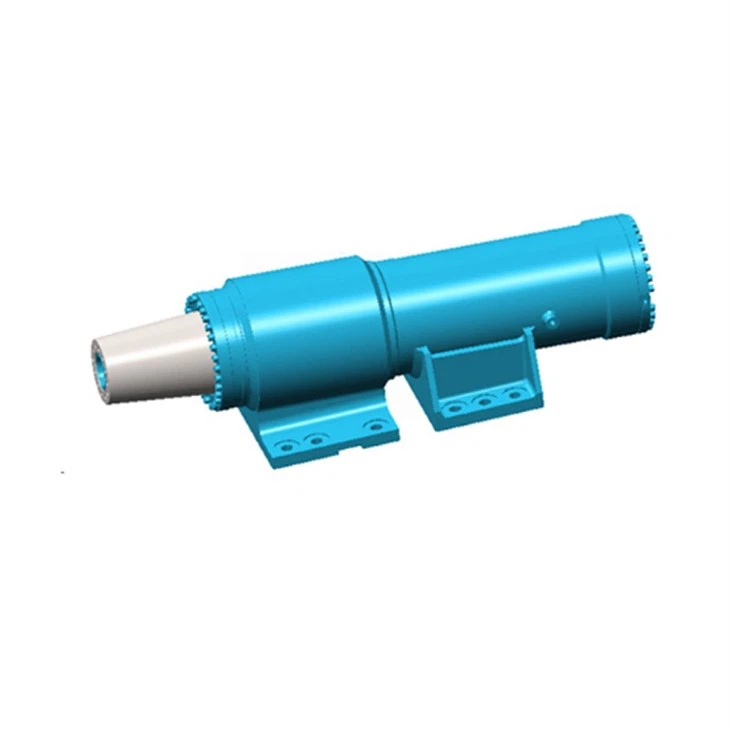
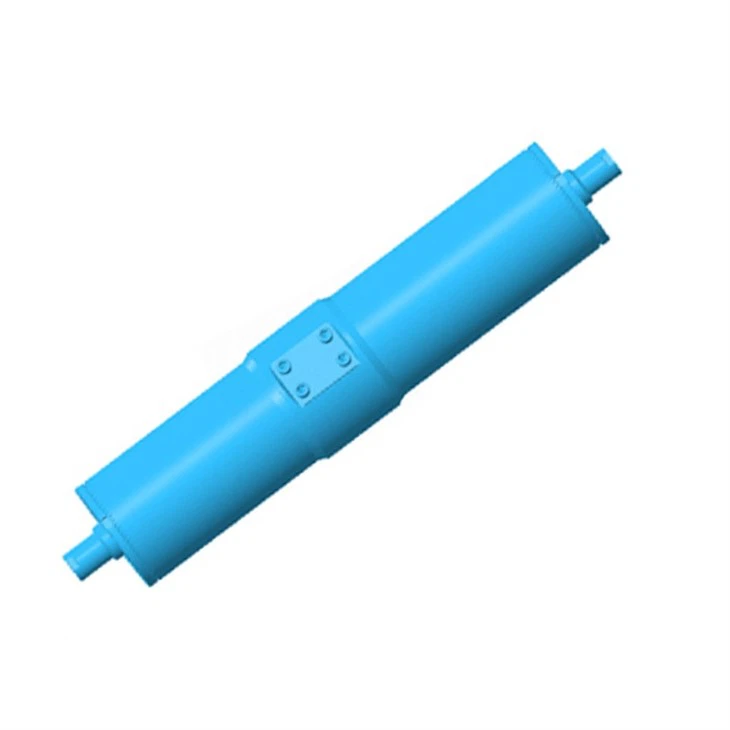
Cylinder barrel
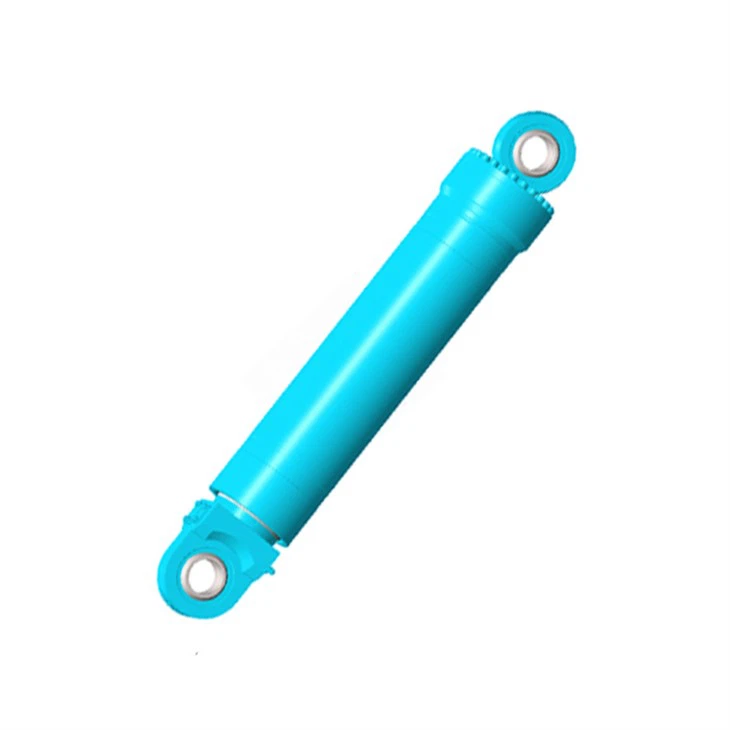
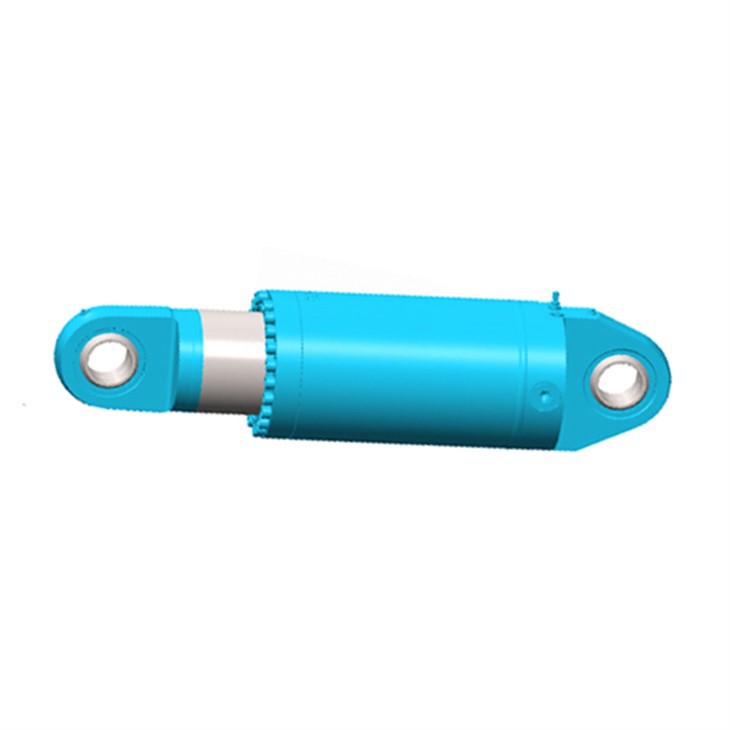
The barrel of the cylinder is the body that holds all the components inside of it. It acts as the chamber in which the piston rod moves in and out. This facilitation of movement ultimately is converted into mechanical energy that is transferred to the parts of the machine that require the energy. The barrel must be made up of strong materials to avoid deforming, as compressing the chamber within will reduce the amount of pressure that can be converted, or even hinder the movement of the piston rod. Cylinder Barrels are usually made up of materials that are strong and durable. The material it’s made of typically depends on the intended application of the system. Steel is preferred for heavy-duty work due to its ability to withstand high pressure, whereas aluminium is chosen for work where portability is key.
Cylinder base/cap
Found at one end of the cylinder, the cap is crucial for containing the pressure within. Without it being tightly sealed, it would lose pressure and machine functionality. Aside from that, its presence also supports the structure of the barrel. They are attached in different ways, but the predominant methods are through welding or threading. Welded caps are permanently fused to the barrel, ensuring a strong, leak-proof connection. Alternatively, threaded caps are screwed onto the barrel. This less-secure method is preferred by those who have the interest and/or capacity to disassemble and/or maintain the component.
Cylinder head
The head of the cylinder contains the rod sealing and bearing components, allowing the piston rod to extend and retract from the cylinder during movement. It has components on the rod that ensure that it keeps the cylinder sealed whilst moving, preventing leaks and infiltration. Cylinder heads are made from steel and/or cast iron, due to their need to withstand high pressure.
Piston
The piston sits inside the cylinder barrel, which is split into two. It moves back and forth from the force of the hydraulic fluid entering one of the two chambers. As one half of the chamber fills, the other moves, and thereby functions the rod. Typically, they are made from steel and aluminium. In terms of design, they can sometimes come with grooves to facilitate seals.
Piston rod
The piston rod extends from the piston, through the cylinder head and to the outside. It is a transmitter of force, generated by the movement of pressurised hydraulic oil inside the cylinder, to different parts of the machine to command motion. Whenever you operate hydraulic machinery and command it to move/lift, this is what’s happening inside the machine. Pistons are made from the highest strength quality steel can offer due to the constant repeated movement. On top of this, they’re usually coated in some sort of material such as chrome to resist corrosion and wear.
Seals
Seals come modified for each component within and without the cylinder, including piston seals, rod seals, wiper seals and O-rings. Seals can be modified to serve several purposes, the most important being preventing leakage and keeping contaminants out.
Rod gland
The rod gland is the part of the cylinder head and serves several purposes. It ensures that the rod piston is aligned, ensuring the most efficient movement. It also is another component that requires seals.
Stainless steel 301: This high-strength austenitic alloy offers excellent corrosion resistance and can be welded easily, making it ideal for cylinders and cylinder rods. Furthermore, it demonstrates remarkable ductility properties when cold worked;
Titanium alloy grade 01: The softest and most pliable type of pure titanium, Grade 01 has the highest formability, consisting of 99% titanium, 0.2% iron, 0.18% oxygen, and trace amounts of other elements such as nitrogen, carbon, and hydrogen;
Low alloy steel: This alloy not only has superior strength, flexibility, toughness, weldability, and fatigue resistance but is also light and corrosion-resistant. It maintains power and formability even in extreme temperatures;
Cast iron grade 60-44-18: An iron alloy of 60% iron, 44% carbon, and 18% manganese with excellent tensile strength and abrasion resistance, mainly used for fasteners and valve components;
Nickel-chromium alloys: These alloys are ideal for situations where a high level of protection from oxidation and corrosion is necessary, including constructing hydraulic cylinders. They display excellent high-temperature strength and electrical resistivity;
Chrome-plating: Chrome plating provides long-lasting hydraulic cylinder protection. It's corrosion-resistant and reduces friction, making it optimal for high-pressure applications;
Nitrile rubber: Great for use in hydraulic cylinders, nitrile rubber is resistant to oils, impermeable to gas, flexible, and able to withstand repeated flexing and abrasion;
Neoprene rubber: Due to its good physical properties, neoprene is often used in the seals for hydraulic cylinders and provides an excellent barrier to prevent the loss of hydraulic fluid or air. It is UV-resistant and can be easily sealed and welded using high-temperature vulcanization.
How to Maintain Telescopic Hydraulic Cylinder
Regular inspections
Conduct regular inspections to check for signs of wear and damage. Look for scratches or dents on the cylinder surface which can compromise the seals and allow contaminants to enter the hydraulic system.
Check for leaks
Regularly check for hydraulic fluid leaks. Leaks can lead to reduced efficiency and potential failure of the cylinder. Pay special attention to the seals around the piston and rod.
Lubrication
Proper lubrication of moving parts is crucial to reduce friction and wear. Use the correct type of lubricant as recommended by the manufacturer, and apply it according to the maintenance schedule.
Seal integrity
Inspect the seals for any signs of deterioration or damage. Replace seals as needed to prevent leaks and maintain hydraulic pressure.
Cleanliness
Keep the cylinder and surrounding area clean to prevent dirt, debris, and other contaminants from entering the system. This is especially important for cylinders used in dirty or dusty environments.
How to Choose Telescopic Hydraulic Cylinder
Size and stroke length
The size and stroke length are paramount in choosing a telescopic cylinder. It’s essential to determine the space available for the cylinder when retracted and the required extension length. The cylinder should fit comfortably in the allocated space while retracted and achieve the desired stroke length when extended. In applications with limited space, telescopic cylinders offer an advantage over standard cylinders due to their compact design.
Material and construction quality
The material of the telescopic cylinder impacts its durability and suitability for specific environments. Common materials include steel and aluminum, each with its advantages. Steel cylinders are known for their strength and durability, making them suitable for heavy-duty applications. In contrast, aluminum cylinders are lighter and resistant to corrosion, ideal for applications where weight and environmental factors are a concern, such as in marine applications or where corrosion is a risk.
Load capacity
Load capacity is a critical factor. The cylinder must be capable of handling the maximum load expected in the application. Overloading a cylinder can lead to mechanical failure, posing safety risks. It’s important to assess the maximum load the cylinder will need to support and select a cylinder with an appropriate safety margin above this figure.
Mounting configuration
The mounting configuration of the cylinder should align with the application’s mechanical and spatial constraints. Different mounting options offer varying degrees of flexibility, stability, and ease of installation. Common mounting styles include flange, foot, and trunnion mounts. The choice depends on the application’s requirements for cylinder movement and alignment.
Operating pressure and temperature
The operating pressure range of the cylinder should match the hydraulic system’s capabilities. Additionally, consider the temperature range the cylinder will be exposed to. Extreme temperatures can affect the performance and lifespan of the hydraulic seals and fluid. Selecting a cylinder designed for the specific temperature and pressure conditions it will encounter is crucial.
Special design considerations
Depending on the application, special design considerations such as cylinder speed, cushioning at the end of the stroke, and the need for integrated valves or sensors may be important. For instance, in precision applications, cylinders with integrated position sensors may be required.
What Are the 5 Leading Causes of Hydraulic Cylinder Failure?
This is perhaps the most frequent cause of hydraulic cylinder problems. If particulates or other impurities infiltrate the hydraulic fluid, the cylinder can become scratched, worn, and damaged. Contaminated fluid can degrade cylinder seals and fittings, too.
Speaking of damaged seals, that’s another common cause of hydraulic cylinder problems. Seals can be degraded by contaminated fluids, or by abusive operation of the hydraulic pump assembly. Once these seals become compromised, they can’t maintain correct cylinder pressure, which eventually results in significant damage to the assembly.
Sometimes a problem stems from the fact that the hydraulic cylinder was improperly installed, to begin with. Side loading and other perpendicular forces can place unnecessary strain on cylinder components, which can result in premature cylinder failure.
The piston is another crucial element of a hydraulic cylinder assembly. If the piston becomes damaged, the cylinder system can fail. Pistons naturally show some wear and tear over time, but this wear can be accelerated by things like fluid contamination or side loading stress.
Hydraulic systems work best under very specific pressure conditions. Too much internal pressure can stress hydraulic cylinders and pumps, leading them to wear out faster. Too little pressure in the system can also result in similar problems. It’s essential to maintain correct internal pressure according to the manufacturer’s prescribed recommendations.
What Is the Principle of Hydraulic Telescopic Cylinder?
It works on the principle of Pascal's law, which states that pressure applied to a confined fluid in a container is transmitted equally in all directions. When pressurized hydraulic fluid enters the cylinder, it pushes against a piston, creating a linear motion that extends or retracts the cylinder's rod.
Comparing telescopic and hydraulic cylinders involves examining various aspects of their design, performance, and applications. Here are ten comparisons between these two types of cylinders.
Design and structure
Hydraulic cylinders typically consist of a single cylindrical barrel with a piston and piston rod assembly. The piston moves linearly within the barrel, driven by hydraulic fluid pressure.
Telescopic cylinders feature multiple nested stages or sleeves, allowing for a longer stroke length relative to their retracted length. They comprise several cylindrical sections that collapse and extend telescopically.
Stroke length
Telescopic cylinders offer longer stroke lengths compared to their retracted length due to their telescopic design. This makes them suitable for applications where a long stroke is required, but space is limited.
Hydraulic cylinders generally have a stroke length limited by the length of the cylinder barrel. However, longer stroke lengths can be achieved by using longer barrels or multiple stages, although this may increase overall length.
Retracted length
Telescopic cylinders have a retracted length that is typically shorter than the fully extended length, thanks to their nested design. This compactness is advantageous in applications with space constraints.
Hydraulic cylinders have a retracted length equal to the length of the barrel, which limits their use in environments where space is limited.
Force generation
Hydraulic cylinders are known for their ability to generate high forces due to the pressure exerted by the hydraulic fluid. They are commonly used in heavy-duty applications requiring significant force output.
Telescopic cylinders can generate substantial forces, but they may have limitations compared to hydraulic cylinders, especially in force density per unit of retracted length.
Complexity and maintenance
Hydraulic cylinders have a relatively simple design with fewer moving parts, which can facilitate maintenance and repair.
Telescopic cylinders are more complex due to their multiple nested stages, seals, and moving parts. This complexity may require more frequent maintenance and careful attention to seal integrity.
Speed of operation
Hydraulic cylinders can achieve relatively high operation speeds, depending on system pressure and flow rate factors.
Telescopic cylinders may have slower operating speeds than hydraulic cylinders, especially in applications where the movement of multiple stages needs to be synchronized.
Precision and control
Hydraulic cylinders offer precise control over movement by regulating hydraulic fluid flow and pressure. This makes them suitable for applications requiring accurate positioning and control.
Telescopic cylinders can also provide precise movement but may require additional mechanisms or controls to ensure synchronized extension and retraction of multiple stages.
Versatility
Hydraulic cylinders are versatile and widely used in various industries and applications such as construction, manufacturing, agriculture, and transportation.
Telescopic cylinders have specific applications where their extended stroke length and compact design are advantageous, such as dump trucks, cranes, and material handling equipment. However, they may be less versatile compared to hydraulic cylinders.
Environmental considerations
Hydraulic cylinders may pose environmental concerns related to hydraulic fluid leaks and spills. Proper maintenance and sealing are essential to minimize the risk of environmental contamination.
Telescopic cylinders may also require hydraulic fluid for operation, but their nested design may offer some level of containment in case of leaks. However, proper maintenance and preventive measures are still necessary to mitigate environmental risks.
Cost
The cost of hydraulic cylinders can vary depending on size, design complexity, and material quality. Generally, they are competitively priced and offer good value for their performance.
Due to their specialised design and manufacturing requirements, telescopic cylinders may be more expensive than hydraulic cylinders. However, their unique capabilities may justify the higher cost in applications where they provide significant advantages.
Our Factory
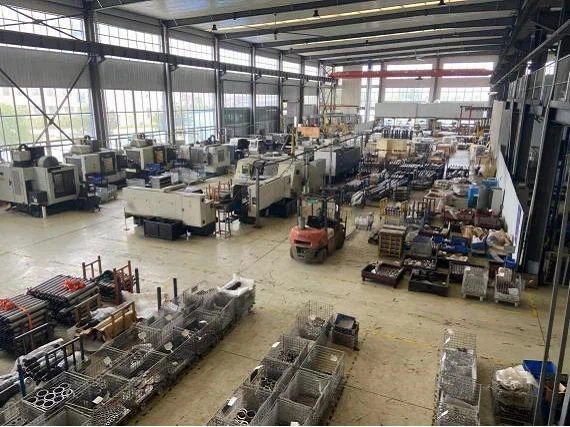
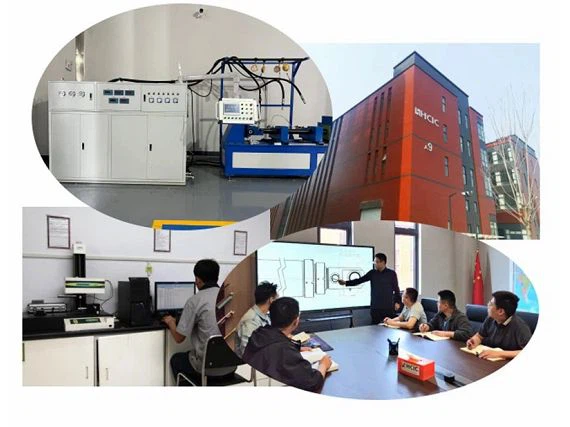
We currently have a R&D center in Jinan with 16 technical engineers in R&D teams. There are 20 hydraulic engineers in our company, more than 600 employees, 3 hydraulic cylinder production workshop, 1 power unit production workshop, and the annual import and export quota exceeds 30 million U.S. dollars.


FAQ
Q: What is a telescopic hydraulic cylinder used for?
They are used in platform lifts, dump hoists, dump lifts, and pack/eject functions. If your application needs a linear force applied over a long distance, telescopic hydraulic cylinders are an excellent choice for many different types of equipment: Dump trucks. Garbage trucks.
Q: What is the difference between hydraulic and telescopic?
Q: What is the pressure in a telescopic cylinder?
Q: What is the difference between a telescopic cylinder and a normal cylinder?
They are usually categorised as 2 stage or 3 stage hydraulic cylinders and can be both single acting or double acting. Since their retracted length is no more than a regular hydraulic cylinder, they're also great for saving space in confined applications.
Q: How do you bleed air from a telescopic cylinder?
Q: How does a telescopic hydraulic cylinder work?
Q: What is the advantage of a telescopic cylinder over a standard cylinder?
Q: What is a telescoping rod cylinder when would it normally be used?
Telescopic hydraulic cylinders are suited to applications where force space is limited and a traditional welded rod cylinder will not fit. They are used in platform lifts, dump hoists, dump lifts, and pack/eject functions.
Q: How to design a telescopic hydraulic cylinder?
Q: What is the principle of hydraulic telescopic cylinder?