

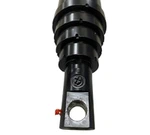


Hydraulic Power Pack
Your Professional Hydraulic Power Pack Manufacturer in China!
Jinan Huachen Industrial Co., Ltd. was established in 1998. The company adheres to the concept of diversified management, follows international trade rules, and is mainly engaged in import and export business and agency business. At present, the pneumatic and hydraulic products, large hydraulic machinery, food processing and packaging machinery, auto parts, hardware accessories, etc. we produce are sold to more than 20 countries and regions including the United States, Australia, South America, the Middle East, and South Asia.
Why Choose Us
Quality Assurance
All products we produce undergo multiple quality inspections to ensure that all products are qualified. All cylinders are chrome-plated, polished, and the individually heat-treated shafts can extend the life of the cylinders.
Rich experience
Our company has 26 years of experience in the industry. We have been deeply involved in this industry and continuously improved our production level and upgraded equipment. We have more than 400 CNC machine tools of various types.
High-quality service
You can consult us at any time for any questions before or after sales, and our professional team will reply you within 2 hours and provide you with professional advice.
Customizable
We offer various designs, colors, styles, patterns and sizes for your products. Customized specifications are also welcome.


Hydraulic power packs, also known as hydraulic power units (HPUs), play a pivotal role in numerous hydraulic systems across various industries. These compact units are capable of generating substantial power, making them indispensable for powering hydraulic machinery and equipment. One of the notable advantages of hydraulic power packs is their portability. They come in various sizes and configurations to meet specific application requirements, and their ability to operate without direct access to a fixed power source makes them highly versatile.
Advantages of Hydraulic Power Packs
1. Versatility in Applications
Hydraulic power packs are incredibly versatile and find applications across different industries. Whether it's construction, manufacturing, mining, or agriculture, these power packs serve as reliable sources of power for a myriad of machinery and equipment. Their adaptability to various systems and setups makes them an ideal choice for powering numerous hydraulic devices.
2. Compact and Space-Saving Design
One of the significant advantages of hydraulic power packs is their compact and space-saving design. These power packs are engineered to occupy minimal space while delivering exceptional hydraulic performance. This characteristic is particularly valuable in industries where space constraints are a concern, as they can be easily integrated into existing setups without major modifications.
3. High Power Density
Hydraulic power packs boast high power density, meaning they can deliver substantial power output relative to their compact size. The efficient conversion of hydraulic energy into mechanical energy enables them to handle heavy loads and demanding tasks without compromising on performance. This attribute makes them ideal for applications requiring high power in a limited space.
4. Energy Efficiency
In comparison to other power sources, hydraulic power packs are known for their energy efficiency. The hydraulic systems minimize energy losses during power transmission, leading to better overall efficiency and reduced operational costs. By using the right components and maintaining the system properly, operators can achieve optimal energy usage and conserve resources.
5. Precise Control and Stability
Hydraulic power packs offer precise control and stability in operations, making them suitable for delicate tasks that demand accuracy. The hydraulic systems can maintain constant pressure and force, resulting in smoother and more controlled movements. This level of precision is essential in applications such as material handling, automotive assembly, and heavy machinery.
6. High Power-to-Weight Ratio
The power-to-weight ratio of hydraulic power packs is impressive, making them ideal for mobile applications. Equipment that requires mobility, such as hydraulic cranes and excavators, can benefit significantly from the high power output relative to the weight of the power pack. It allows these machines to achieve substantial lifting and moving capabilities without being excessively heavy.
7. Durability and Longevity
Hydraulic power packs are built to withstand harsh environments and heavy usage. The robust construction and quality materials ensure their durability and longevity, reducing the frequency of maintenance and replacement. This reliability makes them cost-effective over the long term and enhances their value proposition for industries with demanding operational conditions.
9. Safety Features
Hydraulic power packs come equipped with various safety features that protect both the machinery and the operators. Pressure relief valves, temperature sensors, and emergency stop functions are some of the safety measures incorporated into these systems. Ensuring a safe working environment is essential, and hydraulic power packs deliver on that front.
10. Low Noise and Vibration
Compared to other power sources, hydraulic power packs generate lower noise levels and vibrations during operation. This attribute is advantageous in noise-sensitive environments, such as residential areas or indoor manufacturing facilities. The reduced noise pollution contributes to a better work environment and minimizes the impact on surrounding communities.
Application of Hydraulic Power Pack
Hydraulic Machinery
Hydraulic power packs are commonly used to provide power for hydraulic machinery such as hydraulic presses, hydraulic lifts, hydraulic cylinders, and hydraulic motors. These machines require high-pressure hydraulic fluid to generate the necessary force for their operation.
Mobile Equipment
Hydraulic power packs are often used in mobile equipment such as hydraulic cranes, forklifts, and aerial work platforms. The compact size and portability of hydraulic power packs make them ideal for providing hydraulic power in mobile applications.
Industrial Applications
In industrial settings, hydraulic power packs are used to power hydraulic systems in various applications such as manufacturing, construction, and material handling. They can provide precise control over the speed, force, and direction of hydraulic actuators.
Emergency and Backup Power
Hydraulic power packs are sometimes used as emergency or backup power sources for critical systems. For example, they can be used to provide power for emergency brakes in certain machinery or as a backup power source for hydraulic systems in case of a power failure.
Custom Applications
Hydraulic power packs can also be customized to meet specific requirements for unique applications. They can be designed with specific flow rates, pressure levels, and control options to suit the needs of a particular application.
Core Components of a Hydraulic Power Pack
This vital component converts mechanical power into hydraulic energy, delivering a flow of oil to the system. The choice of hydraulic pump will depend on various factors including, pressure, flow, and duration of cycle. A simple fixed displacement gear pump can be utilized for applications that require a constant flow and pressure. Pressure compensated pumps provide a greater level of efficiency by providing pressure only when required. These pumps are generally more expensive but will give improved performance. Using a variable-displacement, pressure-compensated pump rather than a fixed-displacement pump reduces circuit horsepower requirements dramatically.
The motor is responsible for driving the pump and must be adequately powered to align with system requirements. The Electric Motor is the component that will drive the hydraulic pump and in turn, develop a flow of hydraulic oil. Electric motors provide instant torque, smooth running and quiet operation. This must be sized specifically for the power pack application; it will be their job to provide sufficient horsepower to drive a hydraulic pump capable of delivering the required flow and pressure for the hydraulic circuit.
Acting as a storage unit, the reservoir holds the hydraulic fluid and helps to dissipate heat, filter contaminants, and accommodate fluid expansion. The reservoir holds excess hydraulic fluid to accommodate volume changes from: cylinder extension and contraction, temperature driven expansion and contraction, and leaks. The reservoir is also designed to aid in separation of air from the fluid and work as a heat accumulator to cover losses in the system when peak power is used.
From directional to pressure control valves, these elements regulate the flow and pressure within the hydraulic circuit. A hydraulic valve is a mechanical device that regulates the flow of the hydraulic fluid in a hydraulic system. Hydraulic systems are typically high pressure systems, this means they have to be constructed from materials that can withstand these high pressures. There are multiple methods of controlling these valves, they vary between being controlled physically and mechanically with electrical actuation, hydraulics, and pneumatics.
What Should be Considered When Choose Hydraulic Power Pack
Hydraulic Power Pack Components and Options
Selecting the appropriate components for your power pack can dramatically influence performance and longevity. Opt for high-quality pumps, motors, valves, and filters that match the demands of your application. Be aware of the different types, such as gear, vane, or piston pumps, and their suitability for your project. Similarly, various motor options – electric or combustion – need to be considered based on your power source availability and mobility requirements.
Customization to Meet Specific Requirements
Your hydraulic power pack should ideally be customized to meet unique application demands. Whether requiring compact designs for constrained spaces, specific control methods for precision operations, or particular materials to withstand harsh environments, the customization potential is vast.
Energy Efficiency and Environmental Considerations
Modern hydraulic power pack designs now incorporate energy-efficient features and environmentally friendly options. Variable speed drives, for example, can reduce energy consumption and save costs. When selecting your power pack, consider the environmental impact of the hydraulic fluids and the system's overall energy footprint. Striking a balance between high performance and sustainable operation has become imperative.
Quality and Safety Assurance in Power Pack Design
A robust design is not just about performance; it is also about safety and durability. Choose a hydraulic power pack design that adheres to stringent quality standards and safety regulations. Look for systems that offer thorough overpressure protection, temperature regulation, and filtration systems to maintain oil cleanliness. Quality assurance from your supplier should give you confidence that your power pack will operate safely under all conditions.
Support and Maintenance for Long-term Dependability
Maintaining your hydraulic power pack is crucial to ensure that it remains reliable over its lifespan. Access to support, spare parts, and maintenance documentation becomes extremely valuable.
Lubricate Electric Motors
The manufacturer of the electric motor is best equipped to explain the maintenance of a particular motor. Read the manual or contact the manufacturer to learn how to lubricate the motor and how often to do so. Lubricating the motor as recommended is required to keep the motor in good shape.
Clean or Change Filters
The filter on your hydraulic power pack may have an indicator that lets you know when it needs to be cleaned or changed. Make sure to check the indicator directly after starting up the system to ensure you take care of it before operating the power unit. If your unit does not have an indicator, check the manual of your power unit to determine how often you need to take care of the filter. For replacements, verify that you are replacing it with a similar type as indicated by the manufacturer. If you are cleaning the filter, be sure to follow the instructions for cleaning to ensure you remove all contaminants before reinstalling.
Clean Suction Strainers
The suction strainers on your machine probably need to be cleaned after the first 10 hours of use and then every 100 hours of use after that. The exact cleaning times may vary by manufacturer.
Maintain Oil Level In Reservoirs
You can check the reservoir to determine if oil needs to be added. Do this periodically, especially when you first start using the hydraulic power pack, to ensure that the level does not drop lower than it should be. Ideally, check the reservoir after the first 100 hours of use.
Change the Oil
The oil in your hydraulic power pack needs to be changed based on the requirements of the manufacturer. Typically, the oil will need to be changed somewhere between 1,000 and 2,000 hours of use. The rate of oil changes will vary based on the demands put on the power unit, include the environment it is used in and the application that it is being used for.
Check the Oil
You want to make sure that the oil is not running too hot. You can tell oil has been running hot when it is much darker than new oil. It may also smell burnt.
Our Factory
We currently have a R&D center in Jinan with 16 technical engineers in R&D teams. There are 20 hydraulic engineers in our company, more than 600 employees, 3 hydraulic cylinder production workshop, 1 power unit production workshop.
