

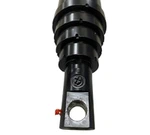


Single Acting Hydraulic Cylinder
Jinan Huachen Industrial Co., Ltd. was established in 1998. The company adheres to a diversified business philosophy and follows international trade rules. It is mainly engaged in import and export business and agency business. At present, the pneumatic hydraulic products, large hydraulic machinery, food processing and packaging machinery, auto parts, hardware accessories, etc. are sold to more than 20 countries and regions including the United States, Australia, South America, the Middle East, and South Asia.
Why Choose Us
High quality
Our products has passed 180,000 times of stress tests,we can offer 12 months warranty and 10 years service life.
Rich experience
We have more than 20 years experience,can offer customizable & speical option available.
Customized services
We adopt european technology and american standards to provide customers with a full set of customized services from design to delivery.
Technical support
We currently have a r&d center with 16 technical engineers in r&d teams,there are 20 hydraulic engineers in our company.

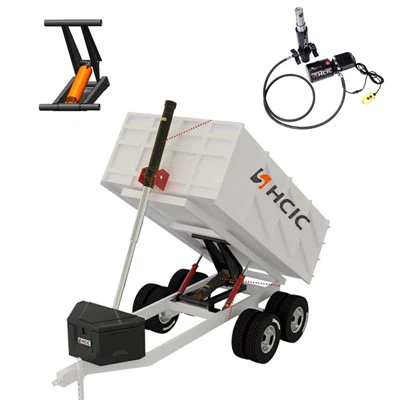


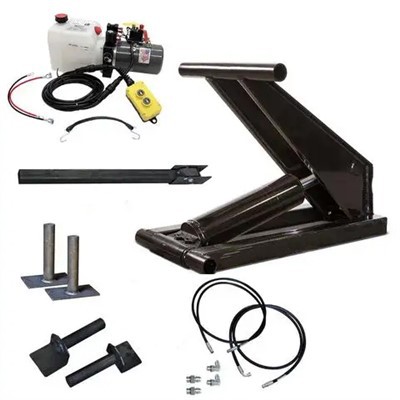


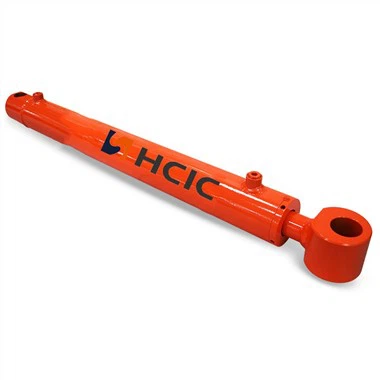


What Is Single Acting Hydraulic Cylinder?
A single-acting hydraulic cylinder includes just one port. This is where the hydraulic fluid enters and forces the plunger out in one direction. A double-acting cylinder includes two ports. One for the hydraulic fluid to enter and extend the plunger, and the other for retracting the cylinder.
Benefits of Single Acting Hydraulic Cylinder
Simple design; easy to install
Low cost of initial purchase
Single port and small housing
Reduction in valve and piping cost compared to double acting cylinders
Construction: Single Acting Hydraulic Cylinders are commonly used in construction equipment such as excavators, backhoes, and cranes for lifting and moving heavy loads.
Industrial: These cylinders are used in various industrial applications, such as in presses for stamping, punching, and forming metal and other materials.
Manufacturing: Single Acting Hydraulic Cylinders are used in the manufacturing industry for a wide range of tasks, including material handling, assembly, and testing.
Agriculture: These cylinders are used in agricultural equipment for tasks such as plowing, planting, and harvesting.
Automotive
Single Acting Hydraulic Cylinders are used in automotive manufacturing for tasks such as welding, painting and assembly.
Marine
These cylinders are used in marine equipment such as winches, cranes, and other lifting equipment.
Robotics
Single Acting Hydraulic Cylinders are also used in robotics and automation for tasks such as movement, gripping and manipulation.
Cylinder barrel
This component holds together other elements that compose the overall structure. It keeps them aligned so they operate efficiently as one unit.
Piston rod
Essentially providing stability, the piston rod connects the piston to the head/base plate areas. It allows motion in only one direction with the necessary strength to maintain good shape under pressure thrusts generated by the flow of fluid inside the pipe.
Cylinder head and base
The head and base plates serve the same purpose. In combination with seals or glands that are fitted tight around the rod’s circumference, they help keep out dust particles from the pipes during operation. They still maintain the constant pressure needed for critical jobs such as keeping fields irrigated. Ports create pathways through which liquids can travel, enabling smooth functioning and seamless performance over periods of long-term use.
Cylinder Barrel
The hydraulic cylinder’s major component is the seamless steel tube that contains the piston. The tube guarantees that the cylinder moves smoothly. It must be able to endure pressure and wear. It is strong enough for secure enclosing of the internal pressure zones. To guarantee its quality and durability in construction, honed tubes are used as part of high precision tolerance machining processes involving design, heat treatment, coating assembly, and testing stages before being implemented into use. In addition to providing strength against high pressures, fluid leakage is inhibited by primary seal placement inside the barrel. This indispensable element also provides the long lasting resilience necessary in any form of hydraulic system equipment application.
Piston
The crucial part of a hydraulic cylinder is the piston, which divides the pressure zones inside its cylindrical barrel to generate power and create linear movement. It attaches directly to the piston rod that carries this force onward to whatever load it needs to transfer to. The seal between itself and the walls must remain secure in order for optimal efficiency. O-rings, U-cups, or V-ring sealers guarantee such strength by attaching themselves tightly around threads on either end, connecting them both with bolts or nuts capable of enduring high stress levels.
Piston rod
The cylinder rod, commonly referred to as the piston rod, is a significant element in the hydraulic cylinder assembly. This chrome-plated steel part links up the machine component to the cylinder so that work can be done through movement.
Cylinder head
The cylinder head is attached securely to the cylinder barrel with either an integrated rod sealing arrangement or a seal gland. It helps maintain the pressure inside by enclosing the pressure chamber at one end of the hydraulic cylinder and ensuring no fluid leakage. This yields optimum performance for that particular type of hydraulic system and prevents any potential damage due to lack of proper maintenance over time. These elements are necessary in maintaining reliability and efficiency.
Cylinder base
The cylinder base connects to the barrel and secures it to mobile equipment, preventing any liquid from coming out of its sides. Common materials used when crafting this component are steel, cast iron, and aluminum. Rubber or plastic rings base create a secure seal between the piston rod, cylinder barrel, and end caps respectively. It is essential that these seals provide perfect fitting to prevent fluid leakage for optimal functioning of the hydraulic cylinders.
Seals and glands
Seals and glands in hydraulic cylinders prevent fluid leaks and maintain pressure. It’s important to select the right material and design based on certain conditions, like cylinder working pressure, speed, operating temperature, etc. Elastomer nitrile rubber seals work best when it comes to lower temperatures. Fluorocarbon Viton seals are more suitable for higher temperatures.
Ports
Hydraulic cylinders possess numerous ports that are engineered to ensure optimal performance and prevent hazardous leakage. These include NPT, SAE O-ring, pipe thread half coupling, and venting ports. The feature tapered seats and seals in order to secure fluid flow while reducing the risk of leaks. Consequently, proper port design is important for ensuring safe operation within a hydraulic system.
Material of Single Acting Hydraulic Cylinder

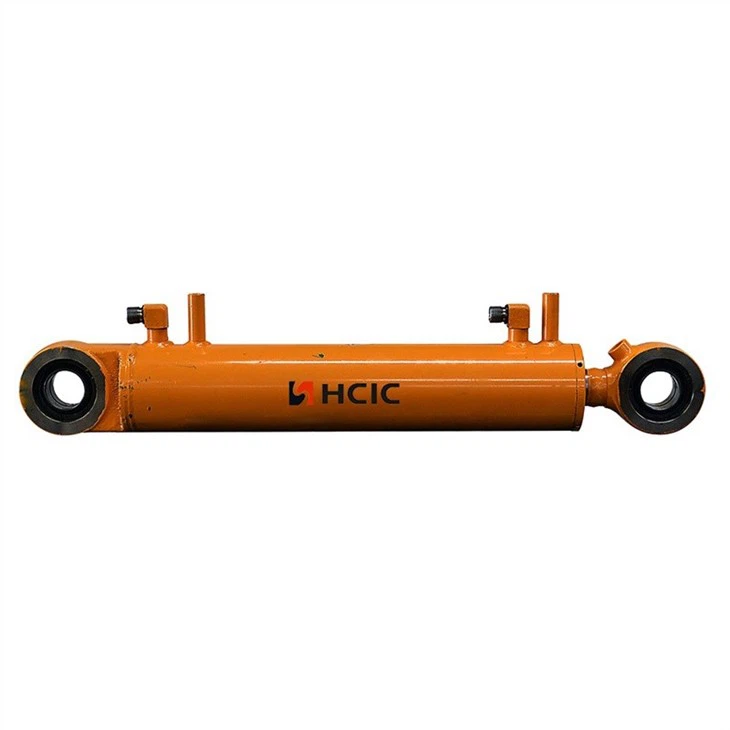
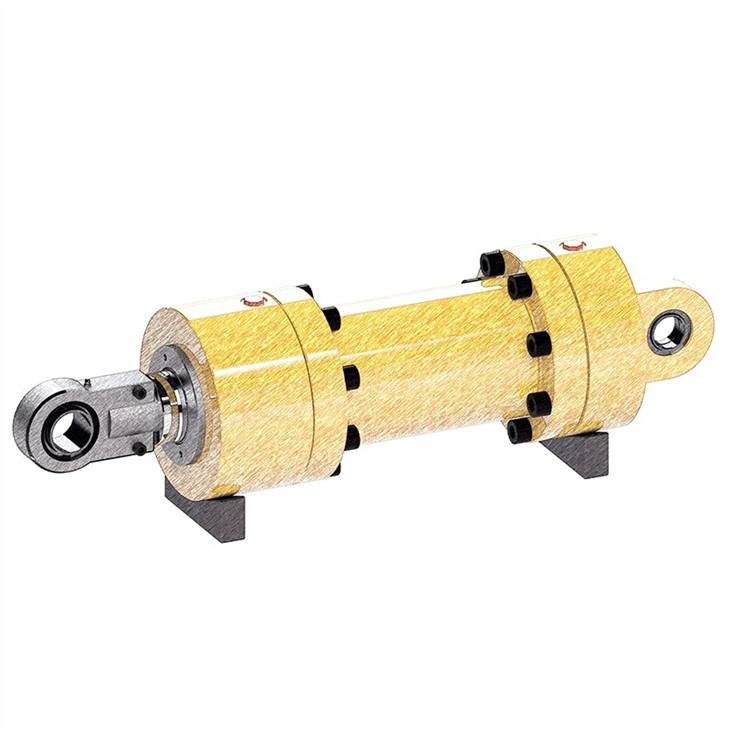
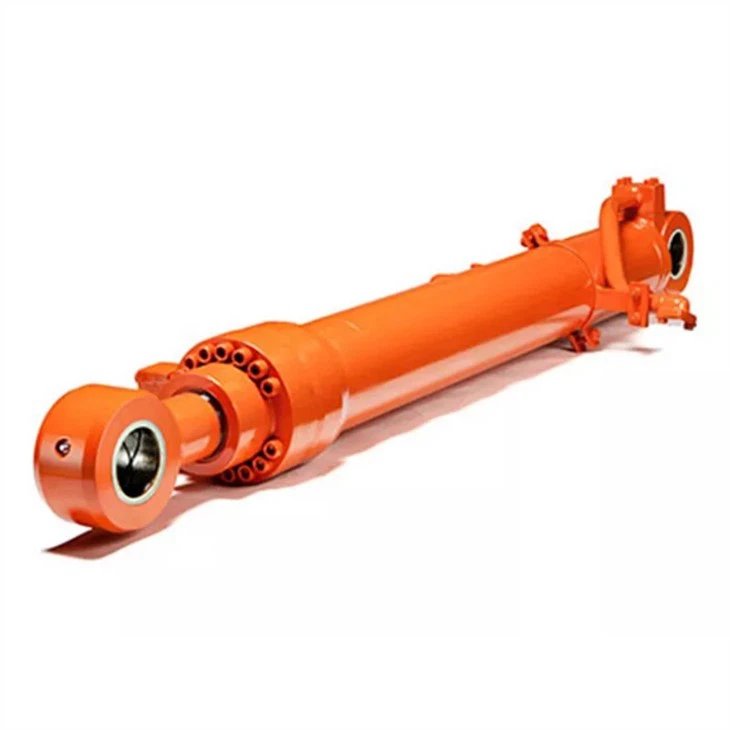
Carbon steel
Carbon steel is a widely used material in hydraulic cylinder manufacturing. It is affordable and readily available in various grades, making it an ideal choice for cost-sensitive applications. Carbon steel cylinders are suitable for low-pressure applications and are commonly used in the agricultural industry, construction, and material handling equipment.
Alloy steel
Alloy steel combines different metals and is known for its high strength and durability. It contains a high percentage of chromium, nickel, and other metals that enhance its properties, making it ideal for high-pressure hydraulic cylinders. Alloy steel cylinders are commonly used in heavy-duty mining, oil and gas, and construction.
Stainless steel
Stainless steel is a popular material for hydraulic cylinder manufacturing, especially in applications requiring high corrosion resistance. It is a durable material with excellent strength, making it suitable for harsh environments. Stainless steel hydraulic cylinders are used in marine and offshore applications, food processing, and chemical plants.
Hardened and tempered steel
Hardened and tempered steel is a type of steel that has been heated-treated to increase its hardness and strength. This process makes it ideal for use in hydraulic cylinders that are subjected to high stress and pressure. Hardened and tempered steel is also known for its wear resistance and durability, making it a popular choice for hydraulic cylinders in abrasive environments.
Design
In the design stage the customer’s specifications are transformed into technical drawings detailing the materials, tolerances and dimensions of the hydraulic cylinder. This is the most important stage of the whole process, and is why we take care to ensure that each customer is equipped with full technical drawings before we produce any components. The design takes into account the performance outcomes required by the application, the customer’s budget, size constraints and other considerations.
Machining
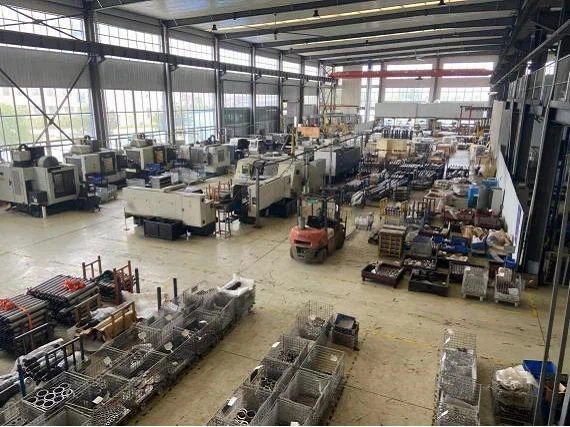
A range of high-capacity CNC lathes, milling and drilling units are available for the production of modern hydraulic cylinders. These machines are arranged in cells on a production line for efficient machining and assembly. The rods themselves are pre-manufactured from turned and hardened chrome, ready for manufacturing into cylinders of the correct size. Stainless or high-strength steel may also be used.
Modern CNC equipment gives manufacturers the flexibility to machine complex and non-standard hydraulic cylinders. During high volume production runs, quality control is carried out in the cycle through accurate measuring components mounted on the machine. Manual lathes are also sometimes employed for prototypes and low volume orders.
Assembly
Assembly takes place in line with the technical drawings agreed with the customer before machining. This is preceded by a quality check to minimise the amount of materials handling required during the assembly process. Assembly may involve welding, in which case every care is taken to ensure the strongest join. Welding may be automated through a CNC welding unit, or carried out manually if high-strength or irregular joints are required. Weld designs are tested in advance in a virtual environment, and weld strength is verified by destructive testing.
Testing
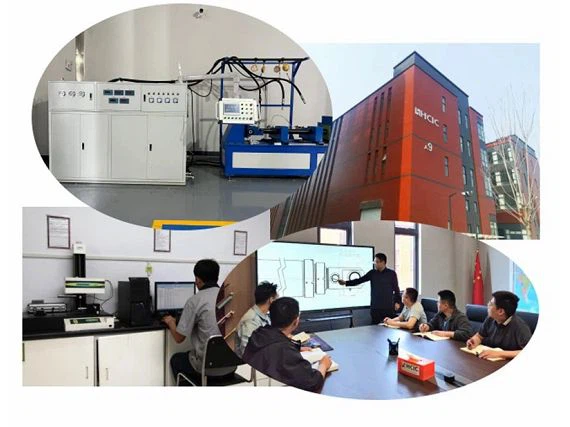
Each cylinder undergoes rigorous performance testing under power and load to confirm its specifications and durability. A quality control procedure rules out defects, and specifications are confirmed in line with customer expectations. We use coordinate measurement machines (CMMs) to verify quality standards and calibrate each cylinder before delivery.
Although testing and inspection are an integral part of the manufacturing process, visual inspection and environmental control also takes place at the machining and assembly stage. For instance, care is taken throughout the process to prevent dust accumulating on the internal surface of the cylinder – which may impede its operation.
How to Maintain Single Acting Hydraulic Cylinder
Ensure proper fluid conditioning
Check for and remove any dirt or foreign materials in the hydraulic fluid. Be careful not to introduce aerated fluid which can cause sound level issues. Verify the filtration system is operating properly. Finally, inspect filter elements for clogs and replace as necessary.
Examine rod quality & finish
It is extremely important to ensure the cylinder rod is in good condition. A bent rod can cause load shift. The wrong rod diameter or incorrect rod strength can cause a variety of failures. Be sure to inspect the rod finish as well. Worn seals are caused by too smooth of a finish, while leakage past the seal is caused by too rough of a finish.
Inspect piston seals, holding valve, and rod seals
Check for leaks which can cause cylinder drift. Examine wipers, O-rings and seals which all help prevent contamination and leaks. Inspecting hydraulic fluid for contamination in step 1 also helps reduce cylinder drift. Ensure that all lubricants and replenish as needed.
Review cylinder tube
Ballooned tubes can occur when the wall of the cylinder is not thick enough or if the cylinder’s pressure is more than the material can handle. A ballooned tube can cause fluid to bypass the seal, which must be addressed immediately.
The simpler design of a single acting hydraulic cylinder creates fewer components to maintain. For equipment and projects needing an effective and reliable hydraulic cylinder, single acting may be your best option. Single acting cylinders have only one acting port that allows the hydraulic fluid to enter. This single line of action is calibrated by pressure, often with a spring or push to retract the piston rod that occasionally relies on pressure to again push the spring back in place.
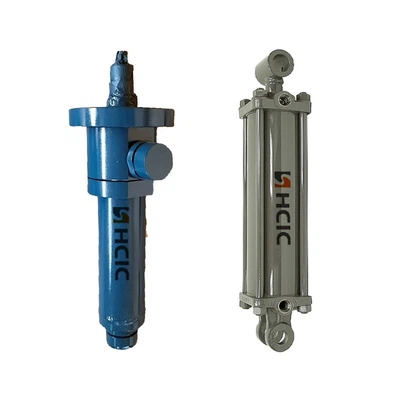
The basic difference of single acting hydraulic cylinder and double acting hydraulic cylinder lies in the mechanism of operation of these two types of cylinders. In a single-acting cylinder hydraulic fluid acts only at one side of piston of cylinder. Pressure generated by the pump is transmitted through the fluid to extend the piton. In single acting hydraulic cylinder, the spring retracts to its original position by the force generated either by gravity or by the weight load. But in case of a double acting hydraulic cylinder, hydraulic fluid acts on both sides of piston. These cylinders have ports at both ends for retraction and extraction of piston and force is produced at both ends. In double acting hydraulic cylinders no external force is required for movement of piston to both sides.
The difference between a single acting hydraulic cylinder and double acting hydraulic cylinder that you can tell simply by looking at the cylinders is the number of ports these cylinders have. A single acting hydraulic cylinder typically has one port. This port is connected with the pump through the hydraulic hose fittings and the pressure is applied through this hose to extend the piston and the piston is then retracted to its original position by the weight. While in case of double acting hydraulic cylinders there are two ports attached to the cylinders. One port that is referred as the advance port is used to attach the hydraulic hose and extend the piston and the other port is used to retract the piston.
A single acting hydraulic cylinder is simple machine that is easy to assemble, install and maintain. On the other hand, the double acting hydraulic cylinders are complex machines that require more maintenance and comparatively difficult to install.
Reasons Your Hydraulic Cylinder Is Not Retracting
Hydraulic fluid contamination
Hydraulic fluid is essential for effective hydraulic operations, keeping your cylinder lubricated and aiding in heat dissipation and power transfer. However, contaminated hydraulic fluid can lead to damaged equipment. Foreign particles act as abrasives, damaging critical interior components or creating blockages in the fluid flow path.
To prevent contamination, first, make sure you understand the different types of hydraulic fluid and use the correct formula for your equipment. Additionally, verify that the fluid reservoir remains tightly sealed to protect against foreign contaminants. Monitor your fluid regularly to ensure it stays clean and particle-free.
Worn or damaged piston seals
While seals are excellent at preventing fluid leaks, they naturally wear over time. Failing to replace worn or damaged piston seals can lead to fluid leaks and insufficient levels of hydraulic fluid in your system. This can cause cylinders to become hydraulically locked and unable to retract or extend fully. Worn seals can also cause misalignment problems between the seal and the cylinder rod, creating cylinder retracting issues.
Preventing these issues is easy. Regularly check your seals for damage, and always make sure you use replacement seals of the correct size and material for your system’s operating temperature and pressure.
3Mechanical damage to cylinder rods or barrels
Cylinder rods and barrels can become damaged for many reasons, from impact by heavy objects or machinery to attempting to lift a heavier load than what your cylinder is rated to handle. Any deformation of the rod and barrel will prevent the cylinder from stroking correctly, inhibiting its ability to retract fully.
Avoid overloading or mishandling your hydraulic cylinder to reduce the risk of mechanical damage. Replacing rods and barrels at the first sign of harm is critical not only to fix retracting issues but also to prevent safety issues and avoid permanently damaging your equipment.
Pressure imbalances
Internal pressure imbalances can create malfunctions within a cylinder system, affecting its ability to extend and retract. These imbalances can result from problems such as hydraulic fluid leaks or misalignment issues. Balanced pressure is fundamental to cylinder retraction efforts and any imbalance can lead to gradual or immediate failure.
Be sure to monitor the pressure levels in your hydraulic cylinder system to resolve any inconsistencies before they can escalate. Adjust or replace valves and seals as necessary to prevent pressure imbalances and avoid damage.
Extreme temperatures
While hydraulic cylinders function efficiently in their specific temperature ranges, operations outside of the range can create performance issues or damage. Intense high temperatures can accelerate damage to seals or degrade hydraulic fluid, leading to fluid leaks or unstable operations. Extreme low temperatures can cause hydraulic fluid to become sluggish and thick, reducing its lubrication properties and preventing extending and retracting efforts.
If your hydraulic cylinder is not retracting due to operating outside its specified temperature range, cease operations and only resume after returning to safe temperatures. Before beginning again, verify that your hydraulic fluid, seals, and valves are still reliable and safe to use. Only use your hydraulic cylinder within its specified temperature range to protect your equipment.
Hydraulic cylinder drift
Sometimes, hydraulic cylinders retract when they shouldn’t. Known as hydraulic cylinder drift, this problem is caused by internal fluid leaks and is characterized by hydraulic cylinders slowly retracting while under load. While not as severe in light-duty applications, a retracting hydraulic cylinder under heavy loads can cause major equipment damage and endanger the lives of anyone nearby. Routinely check your hydraulic fluid levels and inspect your cylinders for evidence of leaking fluid to avoid hydraulic cylinder drift.
Improper installation
Incorrectly installing a hydraulic cylinder is harmful and can lead to several mechanical issues. Common problems resulting from improper installation include misalignment, accelerated wear and degradation, and total system failure. These issues strain your hydraulic system, harming its expanding and retracting functions.
When installing your hydraulic cylinder, take extra care to follow all manufacturer guidelines to ensure correct cylinder installation. Observe your system often to monitor operations and quickly identify any functional issues if they arise.
Lack of routine maintenance
By now, you’ve probably guessed the underlying theme: routine maintenance protects your hydraulic cylinder. While cylinders are built for durability and longevity, performing regular maintenance checks on all aspects of your hydraulic system is essential. Failure to stay up-to-date on your cylinder’s maintenance may result in decreased performance, damaged equipment, or even failed operations.
Implement routine tests to evaluate your hydraulic cylinder, from hydraulic fluid to seals to valves and more. Check for any dents, bends, or damage, and repair your system as necessary. Staying aware of your system’s condition will help you quickly identify reasons your hydraulic cylinder is not retracting so you can solve any issues and get back to work as soon as possible.
Our Factory
We currently have a R&D center in Jinan with 16 technical engineers in R&D teams. There are 20 hydraulic engineers in our company, more than 600 employees, 3 hydraulic cylinder production workshop, 1 power unit production workshop, and the annual import and export quota exceeds 30 million U.S. dollars.


FAQ
Q: What is the difference between single and double acting hydraulic cylinders?
Q: What is single-acting cylinder in hydraulic system?
Q: What is the advantage of using a single-acting cylinder?
In short, a single acting cylinder is great for simple jobs, especially when the system or operator doesn't require the retraction to be controlled or fast. If there is an external weight that will help retract the plunger, then a single acting cylinder is ideal.
Q: Where is a single-acting cylinder used?
Q: Which valve can be used for single-acting cylinder?
Q: How do you tell if a hydraulic cylinder is single or double-acting?
Q: How do you retract a single-acting hydraulic cylinder?
Q: What are the two types of single acting cylinders?
'Push' type – where the application of air pressure produces a thrust, thus 'pushing' the piston. 'Pull' type – where the application of air pressure produces a thrust, thus 'pulling' the piston.
Q: What are single-acting cylinders used for?
Q: How do you bleed a single-acting hydraulic cylinder?