

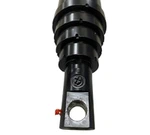


Hydraulic Cylinder Seals
Jinan Huachen Industrial Co., Ltd. was established in 1998. The company adheres to a diversified business philosophy and follows international trade rules. It is mainly engaged in import and export business and agency business. At present, the pneumatic hydraulic products, large hydraulic machinery, food processing and packaging machinery, auto parts, hardware accessories, etc. are sold to more than 20 countries and regions including the United States, Australia, South America, the Middle East, and South Asia.
Why Choose Us
High quality
Our products has passed 180,000 times of stress tests,we can offer 12 months warranty and 10 years service life.
Rich experience
We have more than 20 years experience,can offer customizable & speical option available.
Customized services
We adopt european technology and american standards to provide customers with a full set of customized services from design to delivery.
Technical support
We currently have a r&d center with 16 technical engineers in r&d teams,there are 20 hydraulic engineers in our company.
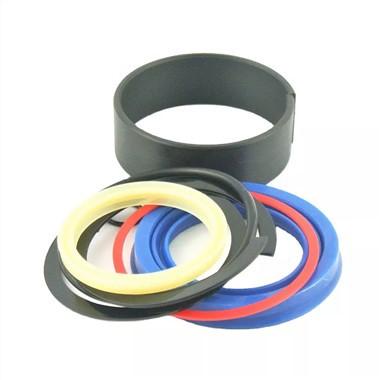


What Is Hydraulic Cylinder Seals?
Hydraulic cylinder seals are used to seal the opening between various components in the hydraulic cylinder. They are designed to retain hydraulic fluids, exclude solid or liquid contaminants, and maintain hydraulic pressure. These tasks require a variety of different seal designs and performance-enhancing features.
Benefits of Hydraulic Cylinder Seals
Pressure adaptability and contamination prevention: Hydraulic seals are designed to function with both low-pressure and high-pressure. Furthermore, they prevent contamination by acting as a barrier to keep dirt out.
Controlling leaks and preventing blowouts: Hydraulic cylinder seals are designed to create a pressure-tight seal around the piston rod, reducing friction and preventing leaks and blowouts. They are made from unique materials that resist wear from hydraulic fluid and feature a lip to create a positive seal around the piston rod.
Cost-effectiveness and easy maintenance: Hydraulic cylinder seals are designed to reduce the cost of parts and labor, be resistant to wear and tear, and require minimal maintenance. They are easy to install and replace and provide a high level of performance, making them a cost-effective and low-maintenance solution for hydraulic systems.
High durability and adaptability: Manufacturers around the globe make high-quality hydraulic cylinder seal kits that provide durability and a long lifespan. Constructed from top-notch materials, these advanced seals are engineered to withstand harsh conditions and keep the machinery running smoothly.
Safe and water resistance: Renowned for resisting water, chemicals, and wear and tear, hydraulic seals are a popular choice for mining businesses that want to speed up mineral extraction. They are also safe to use in various industries, such as those producing pharmaceuticals and chemicals.
Types of Hydraulic Cylinder Seals


Piston seals
Piston seals provide the power for your hydraulic cylinder by preventing hydraulic fluid from flowing past your piston. This makes piston seals one of the most important hydraulic cylinder seals in your system.
The seal formed by a piston seal keeps contact between the piston and the cylinder bore, helping to control the motion of your cylinder and keeping your cylinder at the same position when at rest — even when it’s under a load.
Piston seals can be either single- or double-action. As mentioned earlier, a single-action piston has hydraulic fluid on only one side of the piston, which means that the piston seal must remain extremely close to the bore, otherwise fluid can seep through and lessen the effectiveness of your cylinder.
Double-acting cylinders, as the name implies, have hydraulic fluid on both sides of the piston. Because of this, the shape of a double-acting piston seal is symmetrical, possessing the same sealing properties in both directions.
These seals can also allow for more clearance between the piston and the cylinder bore, as they are not designed to prevent fluid leakage.
Rod seals and buffer seals
Rod seals perform two seemingly contradictory functions. First, they keep hydraulic fluid from leaking outside of the cylinder during operation. However, these seals are also responsible for ensuring that there is a thin layer of lubrication on the piston rod. This not only prevents corrosion but also lubricates other important parts of your cylinder.
Depending on the duty level of your cylinder, you may or may not also have a buffer seal, which is set further within the cylinder, past the rod seal. These hydraulic cylinder seals are intended to smooth out the pressure within your cylinder, preventing pressure peaks resulting from external factors. They also prevent any contaminants within the cylinder, such as metal flakes, from causing damage to your rod seals.
Wiper seals
Sometimes referred to as dust seals, excluders, or scrapers, wiper seals protect your equipment by preventing contaminants from entering your cylinder as the piston rod retracts.
Since the piston rod is coated with a thin layer of fluid to prevent corrosion, it can also pick up dirt and other contaminants, which could quickly damage the interior components of your cylinder. Wiper seals keep these contaminants outside of your system.
Guide rings
These seals are intended to maintain moving parts in the proper position throughout the process of relative motion. In addition to keeping the important components properly aligned, guide rings prevent any metal-on-metal abrasion that might occur during operation, preserving the life of your equipment.
These seals also add another level of protection against contaminants by keeping your more sensitive seals safe from added wear.
Material of Hydraulic Cylinder Seals
Polyurethane
Offers excellent abrasion resistance, high tensile strength, and superior resistance to hydraulic oils and fuels.
Nitrile rubber (NBR)
A versatile material that is compatible with various hydraulic fluids and offers good resistance to abrasion and tearing.
Fluorocarbon (FKM/Viton)
Known for its resistance to high temperatures and aggressive chemicals, making it ideal for demanding applications.
Ethylene Propylene Diene Monomer (EPDM)
Exhibits excellent resistance to weather, ozone, and UV radiation, making it suitable for outdoor applications.
1. Prepare your work area, hydraulic cylinder seal kit, and necessary installation tools.
2. Remove the worn, damaged, or old seal from your hydraulic cylinder. You may require the use of a seal pick or other tool.
3. Slide the new hydraulic cylinder seal over the necessary components to sit within a cut groove. You may need to oil your seal to ease this process. Gently but firmly press the seal to confirm it is completely seated within the groove.
4. Install all necessary fittings and back up seals, keeping pressure toward the replacement hydraulic cylinder seal. Wipe away any excess oil or debris left behind by the old seal.
5. Clean your hydraulic cylinder and check to make sure that the new seal is still intact. Test that your cylinder is functioning before installing it back to its usual location.
How to Maintain Hydraulic Cylinder Seals
Regular lubrication
Ensuring adequate lubrication will minimize friction and prevent wear and tear on the seal. Use only compatible lubricants as per the seal material to avoid chemical erosion.
01
Routine inspections
Schedule regular inspections of the oil seals to spot any signs of failure, such as leakage, hardening, or visible wear. Catching issues early can prevent minor problems from escalating into significant failures.
02
Proper cleaning
Dirt, grime, and debris can damage the sealing surface, leading to leaks. Regular cleaning of the seal and surrounding areas can help prevent this.
03
Monitor operating conditions
Keep track of pressure levels, temperatures, and shaft speed. Excessive fluctuations can signal something wrong and potentially harm the seals.
04
Replacement
Even with impeccable maintenance, seals won’t last forever. Understanding the typical lifespan of the seals type and material used in your machinery will help you plan for timely replacements.
05
What to Consider When Choosing a Seal
There are many types of hydraulic seals to pick from. While some may be arguably better than others, in most cases choosing a hydraulic seal is a matter of identifying which type of seal would be best for a particular cylinder. Following are some points to consider to ensure the seal is a good match for the device in question.
Hydraulic seals can be made from various materials. A company that needs a new seal will want to make sure the material chosen is compatible with the cylinder in question. A seal that isn’t compatible with the cylinder or the workload may shrink or break, which could damage other parts of the cylinder.
The pressure rating on the seal will play a large role in determining how the hydraulic cylinder can be used. Medium-pressure seals have a PSI ranging from 150 to 500 and can be ideal for low-pressure use. High-pressure seals may have a PSI of up to 10,000. When choosing a seal, bear in mind that most seals can’t operate at their upper pressure and speed ratings at the same time.
The temperature range varies depending on the seal chosen. Typical options include seals that can handle from -50°C to 120°C (-60°F to 250°F) and seals that can handle from -40°C to 200°C (-40°F to 400°F).
Hydraulic cylinder seals come in various sizes, and it’s not hard to find ones to fit standard devices. However, it can be challenging to find the right seal for a custom device. If you aren’t sure about the right seal size or dimension for your device, you can measure it with a tape measure and calipers.
Fluid compatibility is important when choosing a new seal. Some may be able to handle water but not mineral-based oils. Others may be incompatible with synthetic and/or fire-resistant fluids.
Keep temperature ranges in mind when determining chemical resistance, as a seal that may be compatible with a liquid at room temperature may not be able to handle that same liquid in extreme cold or heat.
7 Common Failures of Hydraulic Seals
Hardening
Hydraulic seals become hard when exposed to high temperatures. This is caused by either high fluid operating temperatures in the application or high-speed heat generation from stroking operations. When seals harden, they crack and lose elasticity, leading to seal failure.
Wear
Whether due to insufficient lubrication or excessive lateral load, wear on the dynamic face of a seal lip can cause considerable damage.
Scarring
Installation tools and processes are important to the operating life of seals. Improper installation can cause cuts or dents in the dynamic lip of the seal, which affects hydraulic seal efficiency as well as introduces foreign elements into the hydraulic fluid.
Fracture
Fracturing is the condition resulting in burns, breaking, long cracks, and a complete breaking off of the dynamic side of seal. This is due to excessive backpressure, high-pressure shocks/spikes, or use of low-grade materials during the manufacturing process of the seal.
Improper installation
Improper installation can create problems with hydraulic seals. It may result in uncleanliness, unsafe handling, contamination, and incorrect sizing of the chosen seal. Deciding the seal prior to build is important to make certain that the design is done correctly to ensure proper sealing.
Contamination
Introduction of external flotsam and jetsam into the hydraulic rod causes contamination. When particles such as dirt, mud, powder, or other tiny elements attach themselves to the piston, they dirty the seal. The dirtier the seal, the more it loses its ability to hermetically prevent contaminants from the piston area.
Chemical erosion
Seal material will break down when it encounters a corrosive fluid. This will occur when the improper seal material is chosen for an application. The use of non-compatible materials leads to chemical attack by oil additives, hydrolysis, and/or oxidation reduction of seal elements. This will result in the loss of seal lip interface, softening of the seal durometer, swelling, and/or shrinkage of the seal. Discoloration of the seal is an indicator of chemical erosion.
Measure the bore
Determine your cylinder’s bore, which is the interior diameter of the cylinder. Measure bore with a tape measure stretched across the cylinder’s inner barrel.
Measure the piston rod
The piston rod is normally a chrome-plated, circular piece of hardened steel that’s attached to the piston. Measure its diameter with outside calipers.
Determine the cylinder’s retracted length
The retracted length of your cylinder is the distance between the centers of its pin holes when the cylinder is totally closed (retracted). Your tape measure will work best for this step.
Measure the cylinder’s extended length
The extended length of a hydraulic cylinder is the distance between its pin holes when the cylinder is completely opened. Again, use your tape measure to obtain this.
Calculate your cylinder’s stroke
Simply subtract your cylinder’s retracted length from its extended length. For example, if your retracted length was 12 inches, and your extended length was 34 inches, your stroke will be 22 inches.
Perform a thorough visual inspection of your hydraulic cylinder
Carefully evaluate your cylinder’s hose ports, which are where you connect hydraulic lines to deliver fluid into the cylinder. Look for any signs of abnormal wear and tear and order replacement accessories, as necessary.
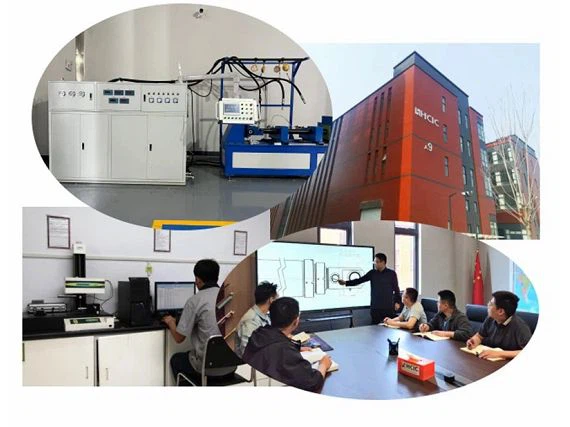
Our Factory
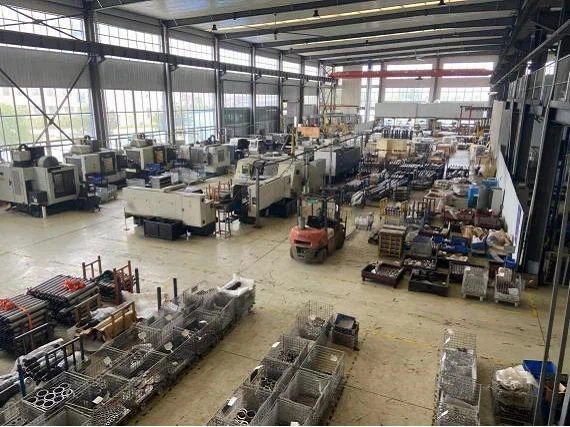
We currently have a R&D center in Jinan with 16 technical engineers in R&D teams. There are 20 hydraulic engineers in our company, more than 600 employees, 3 hydraulic cylinder production workshop, 1 power unit production workshop, and the annual import and export quota exceeds 30 million U.S. dollars.


FAQ
Q: What is the purpose of a hydraulic seal?
Q: What causes hydraulic cylinder seal failure?
Q: Can you replace seals in a hydraulic cylinder?
Q: How long do hydraulic cylinder seals last?
Ideally, you should only need to replace your machine's hydraulic cylinder seals once every three years. If you are keeping your hydraulic fluid clean from contaminants, high quality seals can last even longer.
Q: What is a hydraulic cylinder seal?
Q: Why do hydraulic seals leak?
Q: How will you know if a hydraulic seal is worn damaged or torn?
Q: What is the most common seal failure in a hydraulic cylinder?
Extreme heat and bitter cold temperatures reduce the effectiveness of cylinder seals. Subject to extreme heat, seals lose their shape and effectiveness. Subject to extreme cold, they lose their elasticity and become brittle.
Q: What is the problem of hydraulic seal?
Q: How do you clean hydraulic seals?