

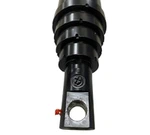

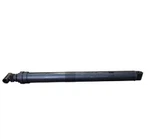

Hydraulic Cylinder
Your Professional Hydraulic Cylinder Manufacturer in China!
Jinan Huachen Industrial Co., Ltd. was established in 1998. The company adheres to the concept of diversified management, follows international trade rules, and is mainly engaged in import and export business and agency business. At present, the pneumatic and hydraulic products, large hydraulic machinery, food processing and packaging machinery, auto parts, hardware accessories, etc. we produce are sold to more than 20 countries and regions including the United States, Australia, South America, the Middle East, and South Asia.
Why Choose Us
Quality Assurance
All products we produce undergo multiple quality inspections to ensure that all products are qualified. All cylinders are chrome-plated, polished, and the individually heat-treated shafts can extend the life of the cylinders.
Rich experience
Our company has 26 years of experience in the industry. We have been deeply involved in this industry and continuously improved our production level and upgraded equipment. We have more than 400 CNC machine tools of various types.
High-quality service
You can consult us at any time for any questions before or after sales, and our professional team will reply you within 2 hours and provide you with professional advice.
Customizable
We offer various designs, colors, styles, patterns and sizes for your products. Customized specifications are also welcome.


A hydraulic cylinder is a mechanical actuator that is used to give a unidirectional force through a unidirectional stroke. It has many applications, notably in construction equipment (engineering vehicles), manufacturing machinery, elevators, and civil engineering. A hydraulic cylinder is a hydraulic actuator that provides linear motion when hydraulic energy is converted into mechanical movement. It can be likened to a muscle in that, when the hydraulic system of a machine is activated, the cylinder is responsible for providing the motion.
Benefits of Hydraulic Cylinder
Energy Efficiency
Hydraulic cylinders convert fluid power into energy. By harnessing the power of fluid mechanics, hydraulic systems can efficiently transmit force and control movement with minimal energy loss, resulting in lower operating costs and reduced carbon emissions.
Reduced Material Waste
Hydraulic cylinders are durable and reliable. Hydraulic cylinders are designed to function even in difficult operating conditions and heavy loads. Quality design and manufacturing, coupled with adequate maintenance, reduces the need for repeated replacements. Cylinders are also a sustainable option for industrial applications because of their long lifespan, which results in less material waste and resource usage.
Versatility and Precision
Exceptional control and precision provides smooth and accurate movement in various applications. Eliminating unnecessary movements and ensuring precise control, hydraulic cylinders help optimize processes, reducing waste and energy consumption. This increased effectiveness benefits both the environment and overall productivity and performance.
Sustainable Fluid Options
While most hydraulic cylinders traditionally use petroleum-based fluids, advancements in fluid technology have developed eco-friendly alternatives. Some examples include bio-based or water-based hydraulic fluids. These sustainable fluid options reduce the ecological footprint associated with hydraulic systems, as they are biodegradable, non-toxic, and pose a minimal environmental risk in the event of a leak or a spill.
Design & Seal Technology
Hydraulic cylinders are built using optimized cylinder design, advanced sealing technology and leak prevention methods to reduce the possibility of leaking.
1. Single Acting Cylinders
A single-acting cylinder has a port that works in one direction only. When a liquid or a gas enters the cylinder barrel, the rod will increase in size. For the rod to return to its initial state, the cylinder may use an external force or a load string. An example of single-acting hydraulic cylinders is the hydraulic jack used in the auto industry.
2. Double Acting Cylinders
A double-acting cylinder's ports are on both the rod and head parts. This design enables the hydraulic cylinder to move fluids more efficiently. The ports at both ends will control the movement of fluids within the cylinder. Hence, liquids and gases in double-acting cylinders can flow in two directions. For example, if a liquid in the cylinder moves towards the rod section, the piston rod will shrink. In contrast, the piston rod will increase in size when the fluid flows toward the head section. The ability of the liquid to move in two directions means that a double-acting hydraulic cylinder can help to raise and lower equipment.
3. Nested Cylinders
The possible applications of hydraulic systems have significantly increased, and manufacturers are trying to develop more special designs. One of the latest designs involves putting together at least three cylinders. The combination of many cylinders creates a system with varying forces and speeds. Hence, hydraulic cylinders can do many things during a single stroke.
4. Rotating Cylinder
All the cylinders above don't rotate, which may limit their applications in many industries. That is why some manufacturers produce the rotating cylinder type with linear motion. The rotating cylinder design resembles that of a non-rotating cylinder in most aspects. The main difference is that the rotating cylinder contains a distributor component that can provide fluids to the rod and head ends of the cylinder. In addition, the rotating cylinder includes passages to allow the inflow of oil on both sections of the cylinder.
5. Low Height Cylinders
Low-height hydraulic cylinders may be ideal if you have limited space or want to move the cylinder around. The low-height cylinders have the exact working mechanism as many of the cylinders listed above but are lighter and smaller. However, you are only likely to find this type of cylinder in the single-acting model. Also, you can't use the low-acting hydraulic cylinder to perform activities requiring tremendous force.
6. High Tonnage Cylinders
Get a high-tonnage cylinder if your projects require a heavy lifting force. These cylinders can lift very heavy items that weigh over 1,000 tonnes. You can also use the high-tonnage cylinders for stability and protection for your loads. Hydraulic cylinders may use double-acting or single-acting working mechanisms.
7. Tie-Rod Cylinders
The tie-rod cylinder has a threaded steel rod to stabilize the components of the hydraulic cylinder. These cylinders also come with end caps to block fluid leaks. Hence, these cylinders have many applications in the industrial and manufacturing sectors. Those who buy tie-rod cylinders can expect easy repair, assembly, and maintenance of the cylinders.
Application of Hydraulic Cylinder
1. Construction
One of the most prevalent industries for hydraulic cylinder usage is construction. Construction sites are home to many different tools and equipment types, many of which rely on hydraulic systems. For instance, a hydraulic cylinder can assist in powering essential tools, such as forklifts, excavators, and bulldozers.
2. Waste Management
In the waste management industry, hydraulic cylinder applications are seen in various equipment and systems such as loaders, collection equipment, and lifters. Hydraulic cylinders are commonly used here as they help provide the necessary torque to control these large machines. Additionally, trash compactors use hydraulic cylinders and motors to compact waste, conserving space within the truck and allowing for more waste removal in the process while limiting fuel consumption.
3. Food Industry
Another common application of hydraulic cylinder systems is in the food industry. In many cases, different types of hydraulic cylinders are needed to power equipment in this industry. For instance, a hydraulic pump can power equipment, such as forklifts, to transfer materials. Additionally, hydraulic systems help ensure consistent torque for important equipment in the industry, such as procedures involving shaping, cutting, separating, transferring ingredients, mixing, and dicing.
4. Mining
Another popular hydraulic cylinder use is in mining, especially when it comes to an essential piece of equipment - the stacker reclaimer. A stacker reclaimer is a large mining machine involved in handling bulk materials. Since it can move multiple thousands of tons of aggregates every hour, it needs regular maintenance. This is where hydraulic cylinders come in, assisting in lifting the unit when things such as bearings need replacing.
5. Infrastructure Repairs
Hydraulic cylinders are beneficial to use in different infrastructure repairs, including everything from lifting buildings to leveling bridges. To lift large structures, such as buildings, hydraulic jacks are used in tandem with lifting systems to lift these heavy buildings. This is beneficial when the foundation of a building is in need of repair. Another use is to lower and level structures such as bridges. This involves a bar lowering method, using single-acting high-tonnage cylinders and synchronous control units to control the bridge down and level it out.
6. Metal Production
Another hydraulic cylinder used is in metal production. Often, hydraulic presses containing hydraulic cylinders are used in metal production. These cylinders exert force on metal, allowing it to be cut, bent, drilled, and assembled into pieces. Some of the hydraulic-powered machines that make this happen are grinders, planners, honing machines, and gears.
7. Marine
Hydraulic cylinders are used in the marine industry in several ways, including handling equipment and placing heavy loads onto a ship. For instance, in cases where the slew bearing needs replacing on a ship loader, the upper structure needs to be lifted. To do this, double-acting cylinders are used in tandem with a lifting system to make this possible. When it comes to controlling a ship in the water, hydraulic cylinders often play a critical role. It's essential that loads remain even, with even weight distribution. In order to address uneven ships, a lifting system and double-acting cylinder help slowly lower cargo into the vessel.
8. Agriculture
When it comes to the agriculture industry, a multitude of machines are controlled by hydraulic cylinders. This includes everything from tractors, to loaders, spraying equipment, ballers, heavy machines for planting, weeding, and harvesting, as well as skid steers. With so much of the industry relying on the application of hydraulic cylinder equipment, hydraulic cylinders have become essential to the process of planting crops and rearing livestock. Plus, hydraulic cylinder usage is also seen with equipment such as wood splitters, making it a truly unavoidable addition to your agricultural projects.
Components of Hydraulic Cylinder


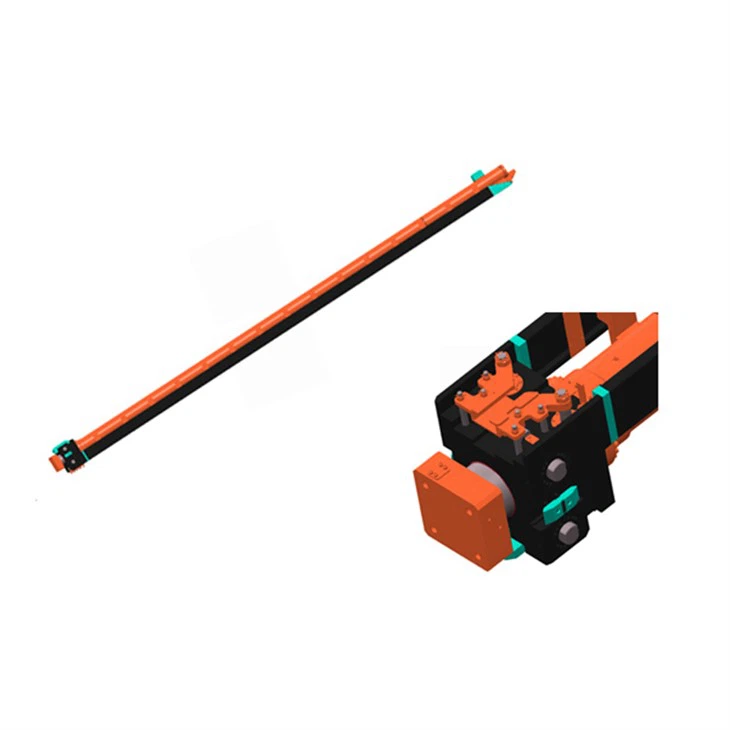
Hydraulic Cylinder Barrel
The barrel is designed to contain the pressure of the cylinder. This barrel is made from honed tubes which are made from Cold Drawn Seamless Tubes. This steel has to be suitable to be honed. Honing is an abrasive machining process used to produce a precision and smooth surface on the metal that is being honed. Honing is one of the main processes to manufacture a hydraulic cylinder tube. The inside surface of the tube should have a smooth inside surface, be durable and have a high precision tolerance.
Cylinder Head (End Cap)
The cylinder head, also known as the "blind end". This part is inside the cylinder barrel and is not exposed to daylight, hence the name. This part encloses the pressure chamber from one end of the cylinder. The cylinder head has the option for an integrated rod sealing arrangement or an option for a seal gland which we will discuss in this article in detail.
Hydraulic Cylinder Base Or Gland
This part encloses the pressure from the other end of the cylinder barrel. This part is also referred to as the rod end. This can be identified by an opening where the cylinder rod connects to. The cylinder gland is connected by welding, threading, bolts or tie rods. The gland is also used as a cylinder mounting component. Examples of these mounting components are the cap flange, gland trunnion and the gland clevis. The gland size is determined by the bending stress resistance required by the hydraulic cylinder.
Piston
The piston inside the hydraulic cylinder is used to separate the pressure zones inside the barrel. The piston is machined to fit rubber or metallic seals, which can be single-acting or double-acting. The piston rod is attached through threads, bolts or nuts to transfer the linear motion. Depending on where pressure is applied, on either side of the piston will cause the hydraulic cylinder to extend or retract. Applying pressure, for example, on the cap end will extend the cylinder rod outside the barrel.
Piston Rod
Also known as the cylinder rod. This is made from hard chrome plated cold rolled steel. The rod is attached to the piston and the cylinder head. The piston rod connects the hydraulic cylinder to the machine component that is used to do work. The piston rod is made from hard chrome for its properties to be grounded and polished very well. This ensures a reliable seal which prevents leaks.
Seal Gland
The hydraulic cylinder gland is fitted with a number of seals that prevent the pressured oil from leaking past the interface of the cylinder rod and the cylinder head. If you take the option of the seal gland, this will give you the advantage of easy removal and replacement of all the seals needed to prevent leaks. The seals within the seal gland are the primary seal, secondary seal, wear bands, wiper, scrapper and the static seal.
Seals
The seals used within the seal gland are made specifically according to the cylinder working pressure, speed of the cylinder, operating temperature and the application of the hydraulic cylinder. These are dynamic seals and can be single-acting or double-acting. Hydraulic cylinders used in lower temperature environments use Elastomer seals made from nitrile rubber. If your hydraulic cylinders are used at a higher temperature, make sure your seals are made of Fluorocarbon, as this is better suited for those temperatures. The wiper and scraper seals are used to eliminate contaminants such as dirt and water, which can cause extensive damage to the hydraulic cylinder walls. The wear bands are used to avoid metal to metal contact, if they are absent, will also cause damage to the cylinder walls.
Factors to Consider in the Selection of a Hydraulic Cylinder
Mass
The first and most critical step is to determine the amount of mass you wish to move. Once your mass is known, you must then consider the effect that the mass will have on the force required to move it. For example, a 1-ton load being pushed straight up will require just over 1 ton of force, however, a 1-ton load being pushed across the ground will require only enough force to overcome friction and acceleration. Regardless, the force of the cylinder should always be high enough to allow for margin of error.
Geometry
Once you know the nature of the mass being moved, you then need to consider the geometry involved in moving it. For a machine such as a hydraulic press, which moves typically up and down, the geometry is simple and requires no further consideration. However, when the center of the load being moved is not centered on the point of lift force and at perpendicular angles to that point of lift force, the force required by the cylinder changes. If you have a crane, for example, the cylinder pushes on the boom, often very far from the load. In most cases, the load distance (distance from load to fulcrum) can be up to ten times the lift force (distance from lift force to fulcrum), and sometimes more. So the closer your point of lift is to the fulcrum, the more force is required by the cylinder to lift the load.
Bore Size
Once you arrive at the force required by your cylinder, the next step is to calculate the bore size required of the cylinder. The force produced by the cylinder is simply the product of the system pressure multiplied by the area of the internal piston surface upon which that pressure acts. This formula is used to calculate the bore size needed to achieve that force.
Rod Size
Once a minimum cylinder bore size is determined, the next step in the selection of a hydraulic cylinder is to select an appropriate rod size. Most standard off the shelf cylinders usually come with one or two rod options. Selecting the required rod size requires careful consideration of the stroke length required, which affects the rod buckling strength. In addition to rod buckling, bearing loads is another important consideration in the selection of a hydraulic cylinder. As the stroke length of a cylinder increases, the resultant bearing loads on the piston rod also become greater. To keep these bearing loads from exceeding design limitations, stop tubes are usually used. Generally, for applications with strokes greater than 1000 mm, stop tubes are required.
Cushions
Once the bore, rod and stroke sizes have been determined, another consideration is to whether internal cushions at the end of the cylinder stroke are required. The use of cushions is recommended for deceleration of high speed rods to reduce the energy of the impact of the piston assembly against the cylinder end cap. Cushions are optional and can be supplied at either one or both ends of the cylinder as desired. The use of cushions does not affect cylinder envelope or mounting dimensions.
Our Factory
We currently have a R&D center in Jinan with 16 technical engineers in R&D teams. There are 20 hydraulic engineers in our company, more than 600 employees, 3 hydraulic cylinder production workshop, 1 power unit production workshop.
